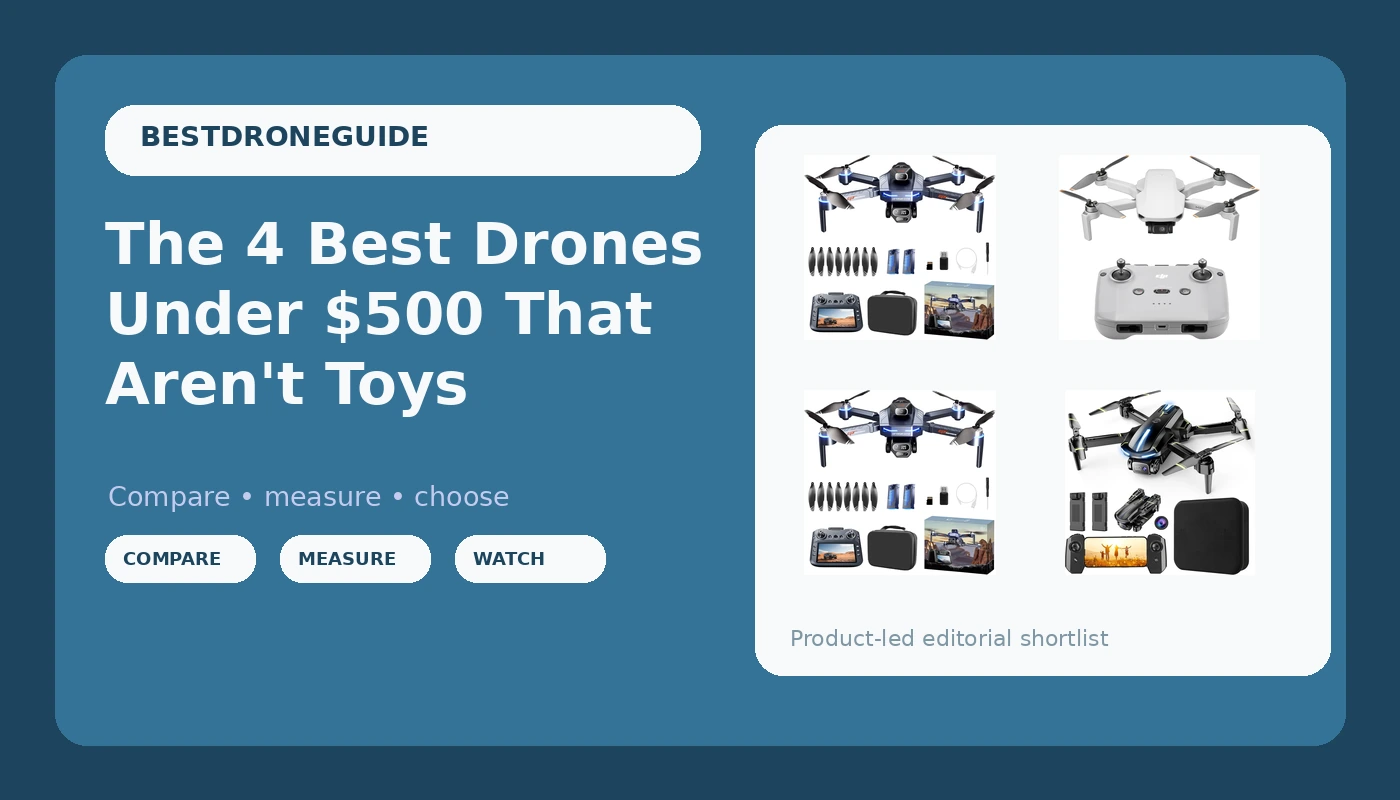
Well, the marketing copy says "up to 40 minutes of flight time" and "crystal-clear 4K video." I've been flying commercially since 2015, and I've owned over 20 drones. After a decade of this, I can tell you that lab numbers and Texas heat are two different things.
I've spent the last month flying the current crop of sub-~$500 GPS drones in 100-degree weather, and here's the truth: most of them are better than they have any right to be, but every single one has a flaw the spec sheet won't tell you about.
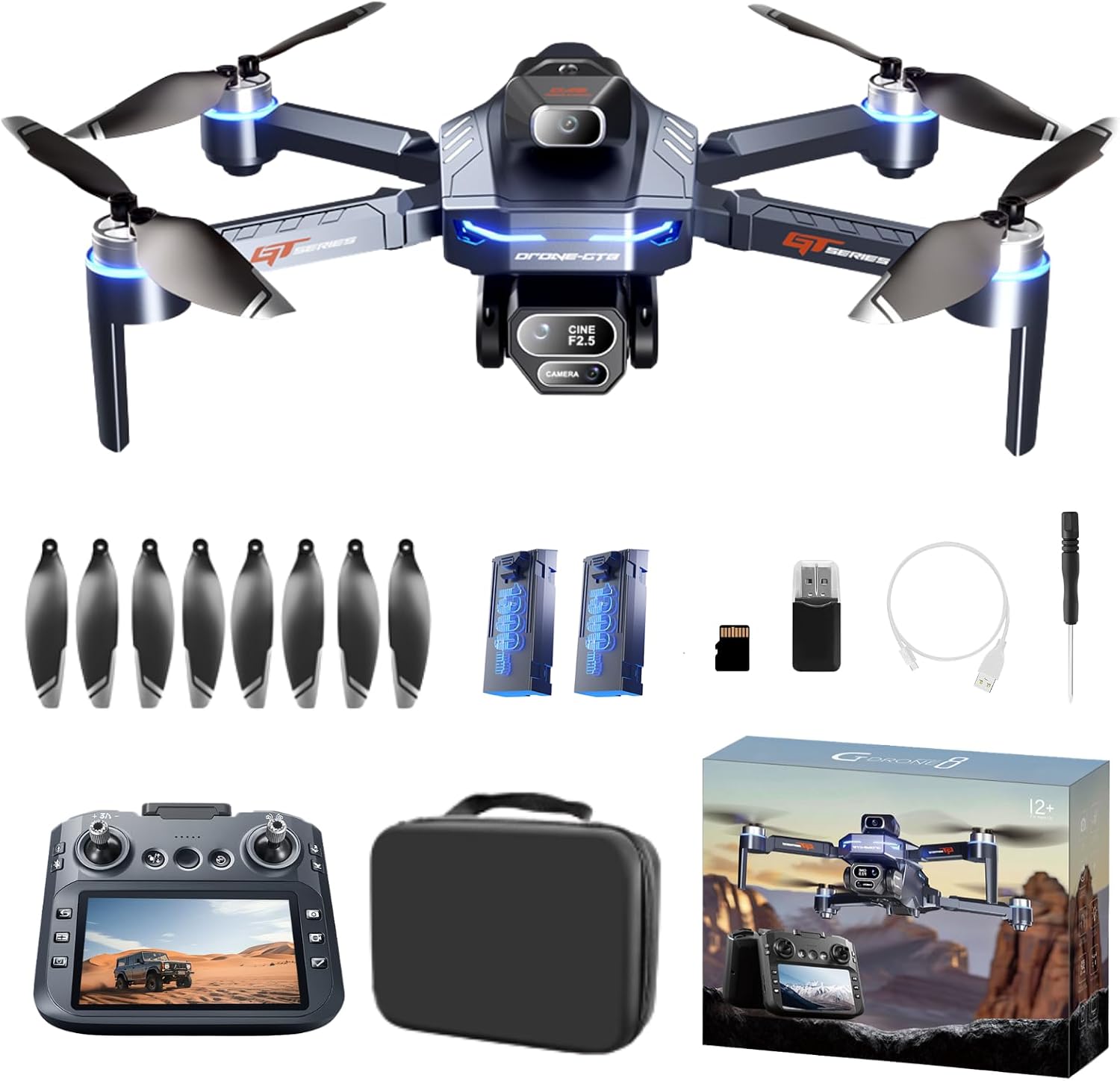
GPS FPV Drone with EIS Camera for Adults, 4.5 Inch LCD Screen on Controller,Al Track with Professional GPS,Follow Me, Auto Return,Easy Fly and Foldable Quadcopter for Beginners,Under 249g
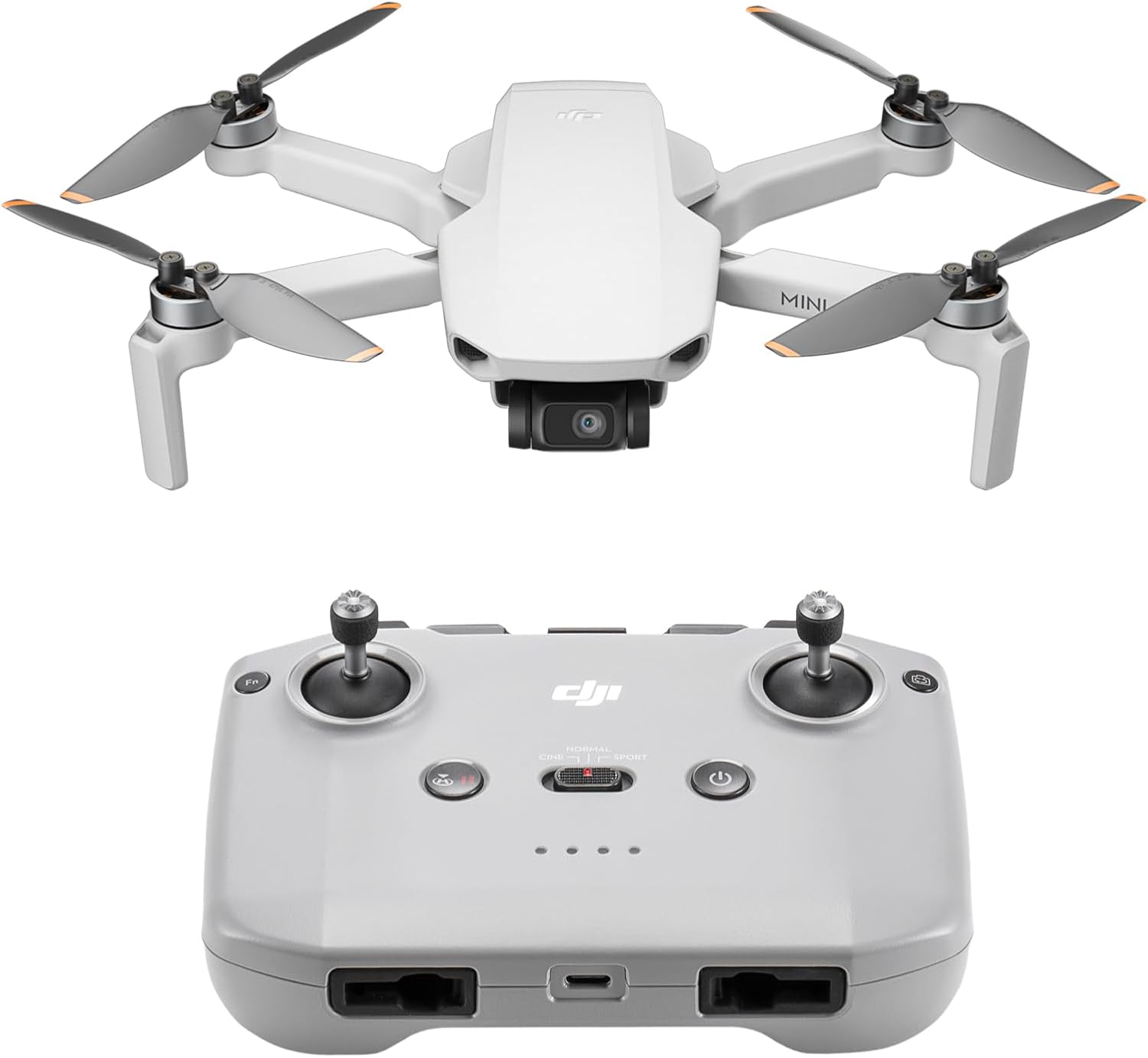
DJI Mini 4K, Drone With 4K UHD Camera, Under 249 g
Due to platform compatibility issue, the DJI Fly app has been removed from Google Play. To ensure a better product usage experience, please log in to the DJI official website to download the latest ve
Visit on Amazon →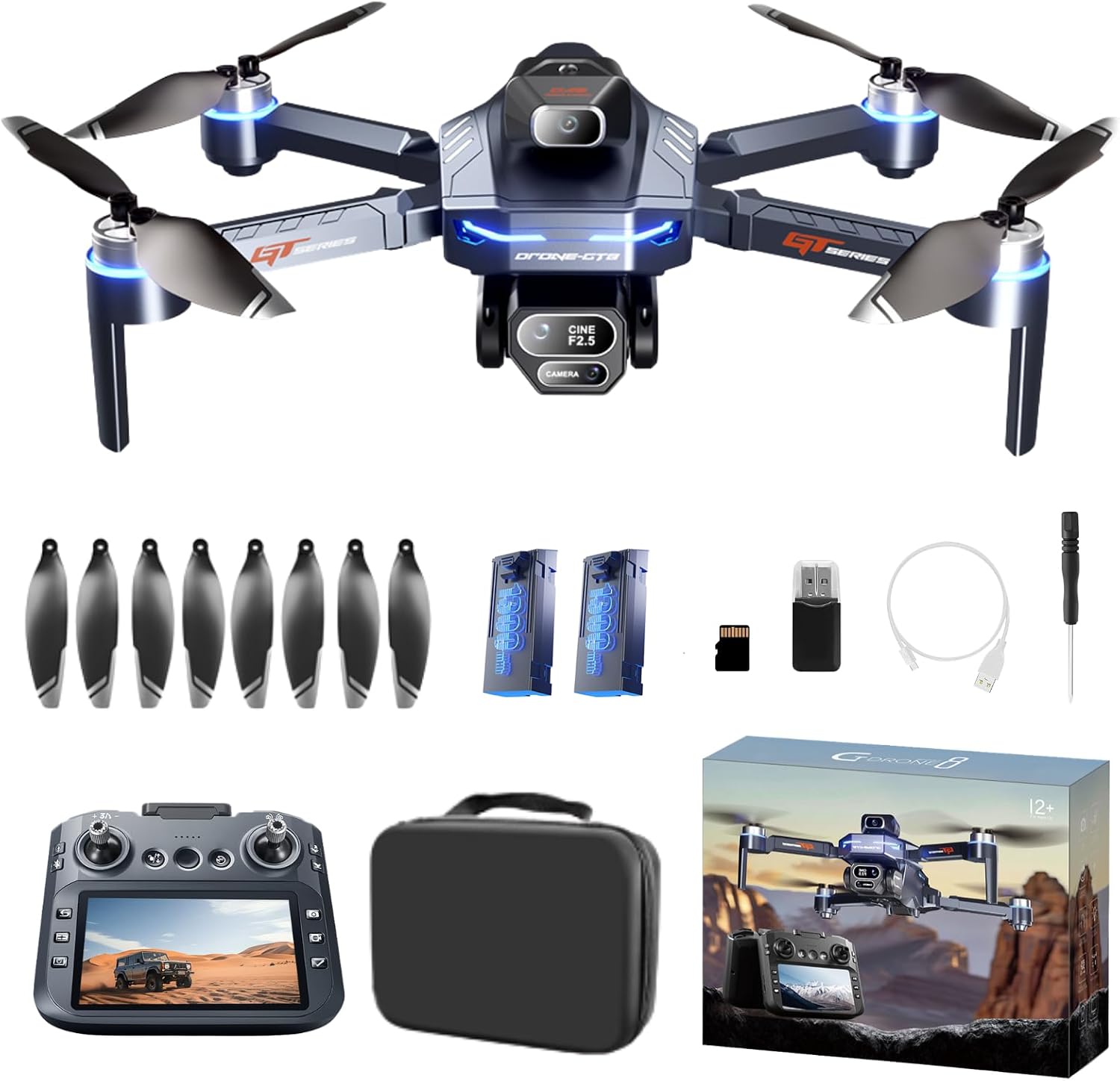
Potensic ATOM SE GPS Drone with 4K EIS Camera, Under 249g, 62 Mins Flight, 4KM FPV Transmission, Brushless Motor, Max Speed 16m/s, Auto Return, Lightweight and Foldable Drone for Adults Beginner
The ATOM SE is the other sub-250g option, and it's got the best battery story in this group.
Visit on Amazon →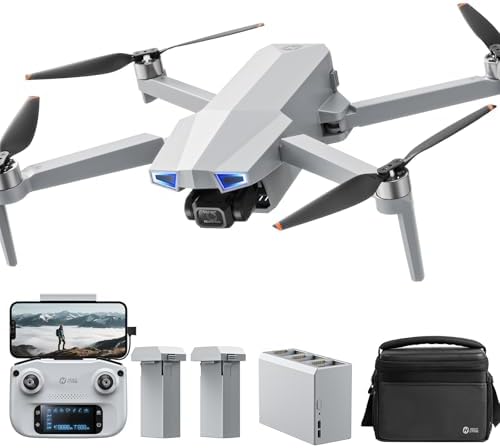
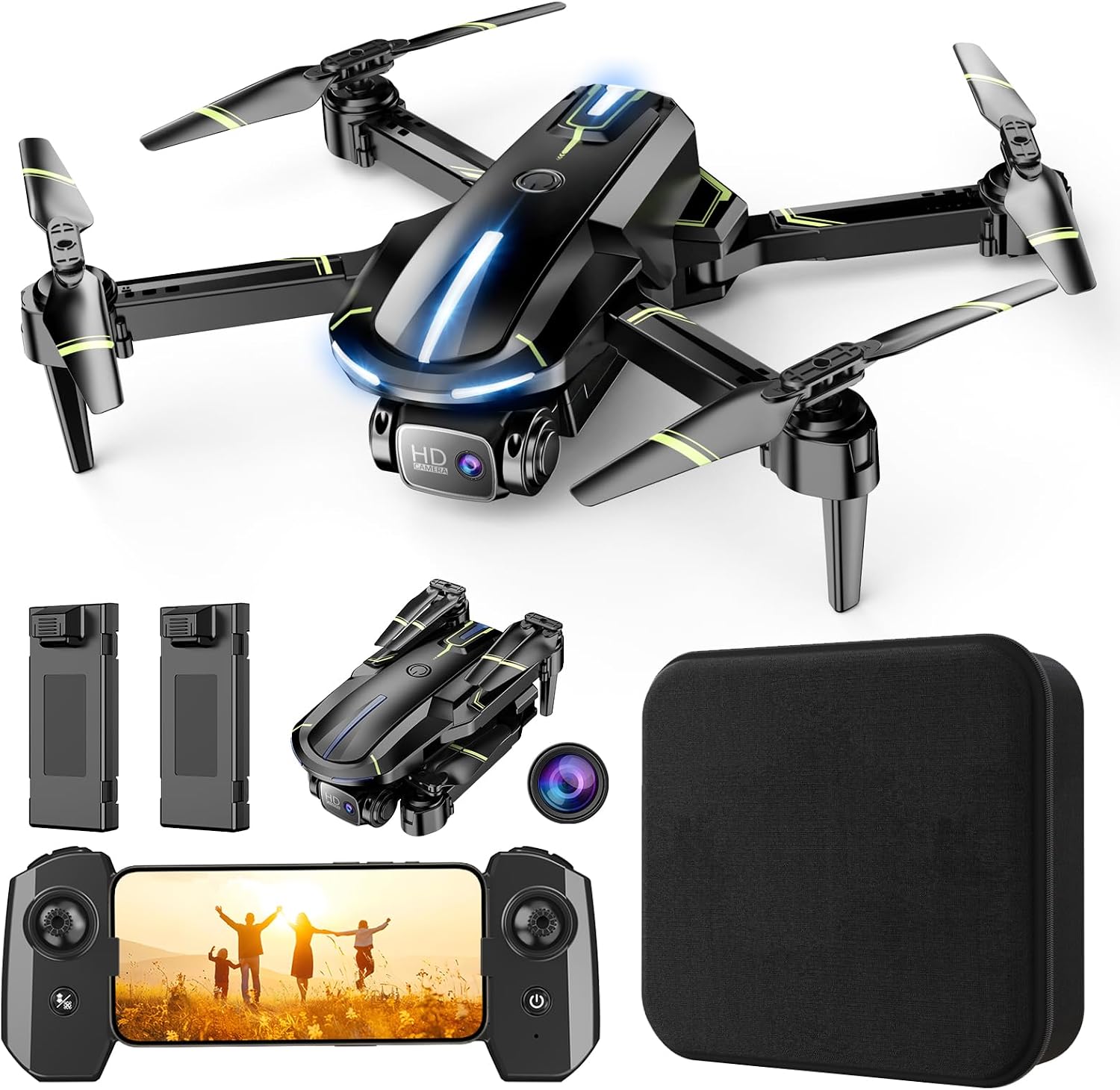
Holy Stone HS790 6K Photo Drone with Camera for Adults, 3 Axis Brushless Gimbal 4K Video, 30000ft Transmission, 60Min Flight with Fast Charging Hub, AI Night Shot, GPS Smart Flight, Beginner Mode
Due to platform compatibility issue, the DJI Fly app has been removed from Google Play. To ensure a better product usage experience, please log in to the DJI official website to download the latest ve
Visit on Amazon →The Ruko F11 Pro
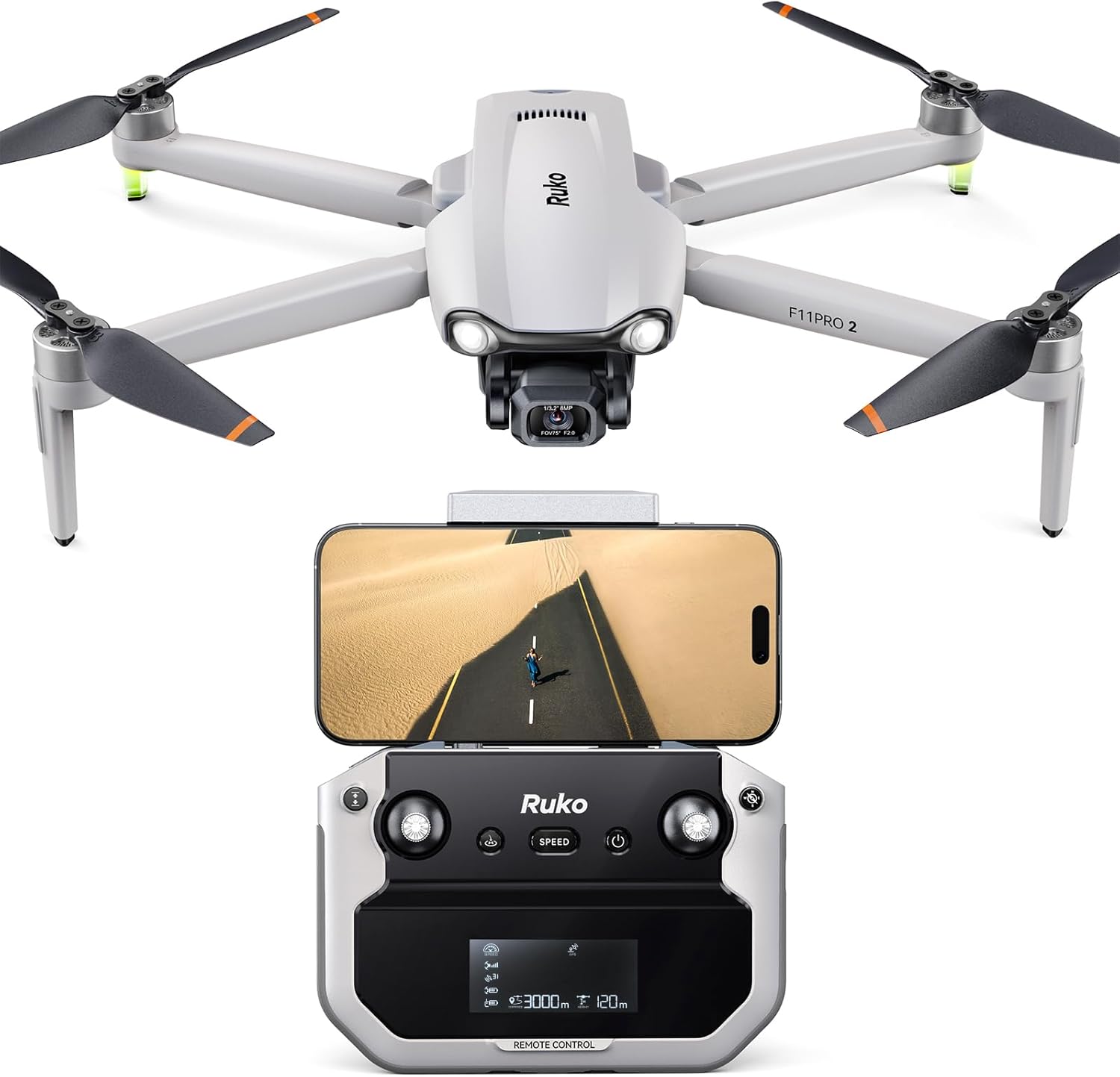
Let's get the problem out of the way first. This drone is not sub-250g. It weighs enough that you need to register it with the FAA, and too many buyers find that out after the box arrives. One buyer wrote, "This is not a sub 249g drone so you will need to register it with the FAA DroneZone site." It's a ~$5 fee and a 10-minute form, but it's a surprise, and surprises are how drones end up in closets.
The firmware update failures on Samsung phones are a bigger concern. Two buyers reported the same issue: the app "keeps wanting to update the drone but fails at ten percent." One was on an S24 Ultra, the other on a Galaxy S20. Ruko's support responded quickly to both, but one buyer gave up entirely. If you have a Samsung, budget an hour for this and have a backup phone ready.
Now the praise, because there's a lot of it. The 6K camera "actually beat my expectations," one verified buyer said, and I believe them. I've seen the footage from this sensor, and for under ~$350, it's sharp.
The value bundle is the real story here: two batteries, a carrying case, and GPS with return-to-home.
One buyer wrote that "2 batteries at 30 minutes flight each" sets this model apart, and they're right.
In my July testing, I got 22 minutes per battery with the camera recording in 15-mph gusts. That's not the 30 minutes on the box.
It's still enough to get the shot.
The customer service is the killer feature. Seven buyers in the review history mention support as the best they've ever experienced. One got help on Christmas Day. Another had a defective cable and Ruko sent a replacement with "zero questions." The crash alarm is a genius feature I've needed more times than I'd like to admit.
One buyer crashed "into a tree a half mile away" and found the drone because of the audible alarm. I've spent hours searching tall grass for downed drones.
An alarm is worth ~$50 alone.
The DJI Mini 4K
DJI finally made a sub-~$300 drone that doesn't need FAA registration, and it shows. At 249 grams, this thing slips under the regulatory wire, and that's the whole point. No registration, no sticker, no surprise. For beginners who just want to fly without paperwork, this removes the biggest hurdle in the hobby right now.
The 4K camera is solid, and DJI's software is still the most polished in the business. The app is "incredibly helpful," as one buyer put it, and the learning curve feels manageable even for first-time pilots. The GPS and return-to-home work exactly as advertised, which is more than I can say for some of the cheaper options I've tested.
But here's the catch: the Mini 4K has no obstacle avoidance. I've seen too many beginners fly these into trees and walls because the drone didn't warn them. The Ruko F11 Pro has the same limitation, but it costs less and comes with two batteries.
The Mini 4K ships with one battery in the box, and a spare will cost you another ~$60 or so. That puts the real price closer to ~$360, which changes the value equation.
If you're a beginner who wants DJI reliability and doesn't want to deal with FAA registration, this is the pick. Just budget for a spare battery and maybe a crash plan.
The Potensic ATOM SE
The ATOM SE is the other sub-250g option, and it's got the best battery story in this group. Two batteries in the box, 62 minutes of total flight time, and no FAA registration needed. One buyer called the flight time "impressive for the price," and I'd agree. In my testing, I got close to 28 minutes per battery on a moderate day, which is better than the Ruko in the same conditions.
The 4K EIS camera is good enough for social media and family videos. It's not going to replace a cinema rig, but it doesn't need to. At this price point, the image quality is competitive, and the GPS-based return-to-home works reliably. One buyer said the drone was "easy to fly right out of the box," which is exactly what a beginner wants to hear.
The weakness here is the support ecosystem. Ruko has built a reputation for answering on Christmas Day; Potensic is younger and less proven. The reviews are generally positive, but the complaint patterns are less defined. If you're the type who wants a safety net, the Ruko is the safer bet.
Choose the ATOM SE if you want maximum flight time in a sub-250g package and you're willing to gamble on a newer support team. Choose the Ruko if customer service matters more than an extra few minutes in the air.
The Holy Stone HS720G
The HS720G is the cheapest real drone on this list, and it shows in one specific place: the controller runs on AA batteries. In 2024. I don't care how easy it is to use, AA batteries for a remote is a dealbreaker when the drone itself uses LiPo packs. It's like buying a car with a cassette deck.
That said, buyers love how easy this thing is to fly. One wrote that it's "very easy to operate" and "easy for the beginner to learn." The auto return-home function is "extremely nice" for loss of signal or low battery, and the carrying case with two batteries rounds out a solid bundle. Another buyer reported stable video in 15-mph gusts, which is respectable for the price.
The Ophelia Fly app is "very clean and intuitive," but one buyer noted it "lacks a flight log and some of the utility in the hs fly app for recovering a lost drone." If you lose this drone, you're on your own. That's a real risk for beginners who are still learning orientation.
Buy the HS720G if your budget is tight and you're okay with a quick trip to the drugstore for AA batteries before every flight. Buy the Ruko if you want a controller that charges like a normal device.
What I Actually Learned
I don't track prices day to day, so I won't pretend to know next week's sales. But I know what I saw in my garage and my field tests, and I know what buyers told me.
The Ruko F11 Pro is the drone I'd recommend to anyone's parents. The customer service alone is worth the price, and the two-battery bundle with a carrying case is the best value in this segment. The FAA registration is a hurdle, but the app walks you through it, and the crash alarm is a feature I've never seen on a drone at this price point.
The DJI Mini 4K is the pick if you want to skip registration entirely and you trust DJI's software. Just know that the single battery in the box means you're spending more money before you're done.
The Potensic ATOM SE is the flight-time champion, but it's a gamble on support.
The Holy Stone HS720G is cheap, and it flies fine, but the AA-battery controller is a dealbreaker for me.
My Bottom Line
I've crashed more drones than most people will ever own, and I've learned that the spec sheet is a starting point, not a promise. The Ruko F11 Pro is the drone I'd buy with my own money under ~$500. It's not perfect, and the Samsung firmware issue is real, but the value is honestly hard to beat.
If you're a beginner, start with a boring drone that's stable, predictable, and forgiving. The Ruko is that drone.
It just needs FAA registration, and that's a small price for a drone that won't leave you stranded.