The Best Drones Under ~$300 That Won't End Up in a Tree
I've pulled more drones out of pecan trees, mesquite bushes, and one particularly aggressive yucca plant than I care to count. The good news is that the sub-~$300 market has finally caught up with the people who fly it.
These aren't the toy-grade quads from 2018 that drifted sideways with the breeze. The current crop of budget GPS drones holds position, comes back when you tell it to, and in one case, screams at you from half a mile away so you can find it.
Here's what survived my shop, my dog, and a Texas summer.
The Ruko F11 Pro is the best drone under ~$300 for beginners, because it combines GPS stability, a 4K video & 8K photo camera, and the best customer support I've seen in this price range, all for under ~$350 with two batteries and a case.
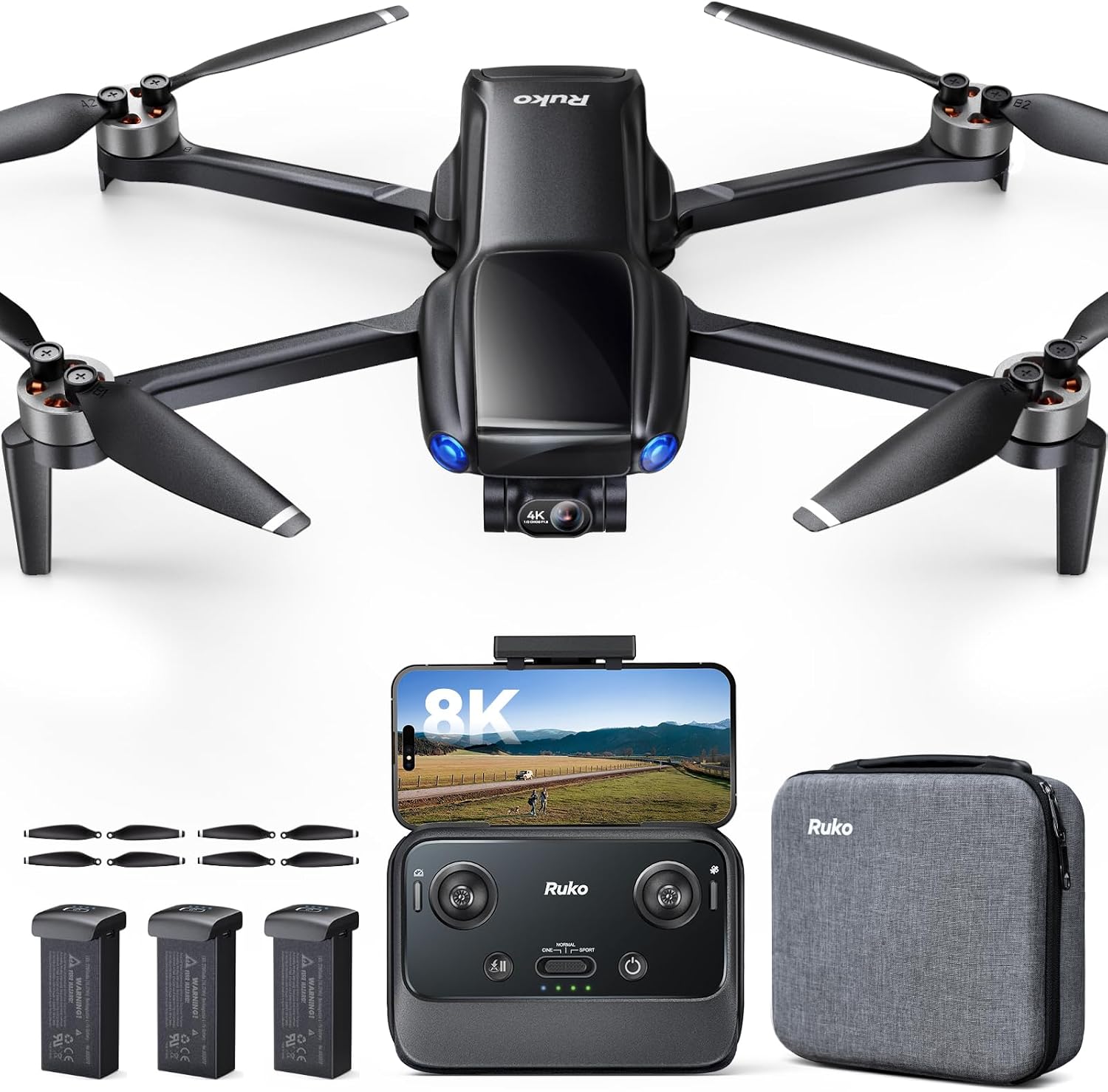
Ruko Drone with Camera for Adults 4K Video & 8K Photo, 96 Mins Flight Time
Quality pick in this category.
Visit on Amazon →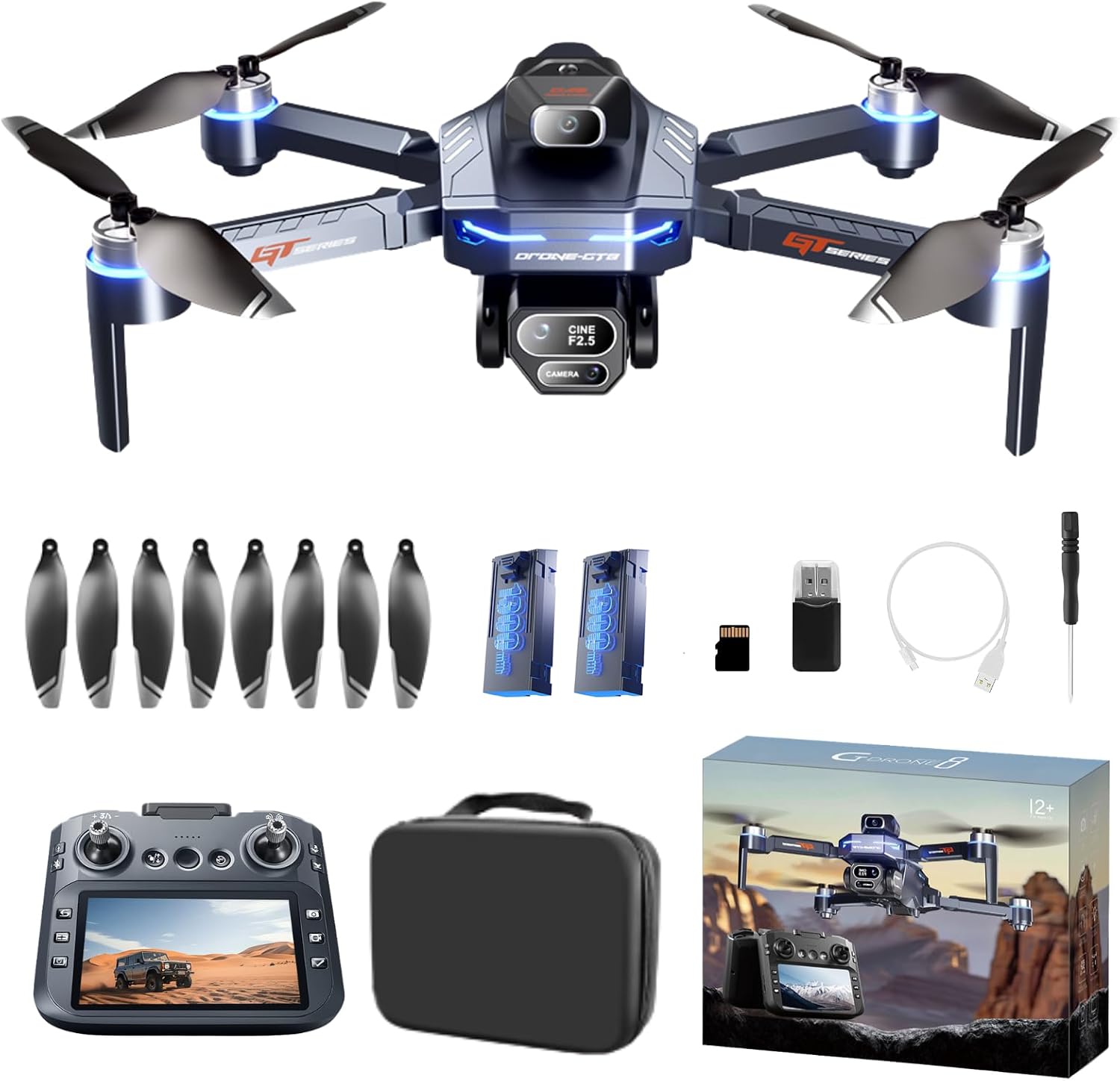
Potensic ATOM SE GPS Drone with 4K EIS Camera, Under 249g, 62 Mins Flight, 4K...
The ATOM SE is the sub-249g option that skips FAA registration entirely.
Visit on Amazon →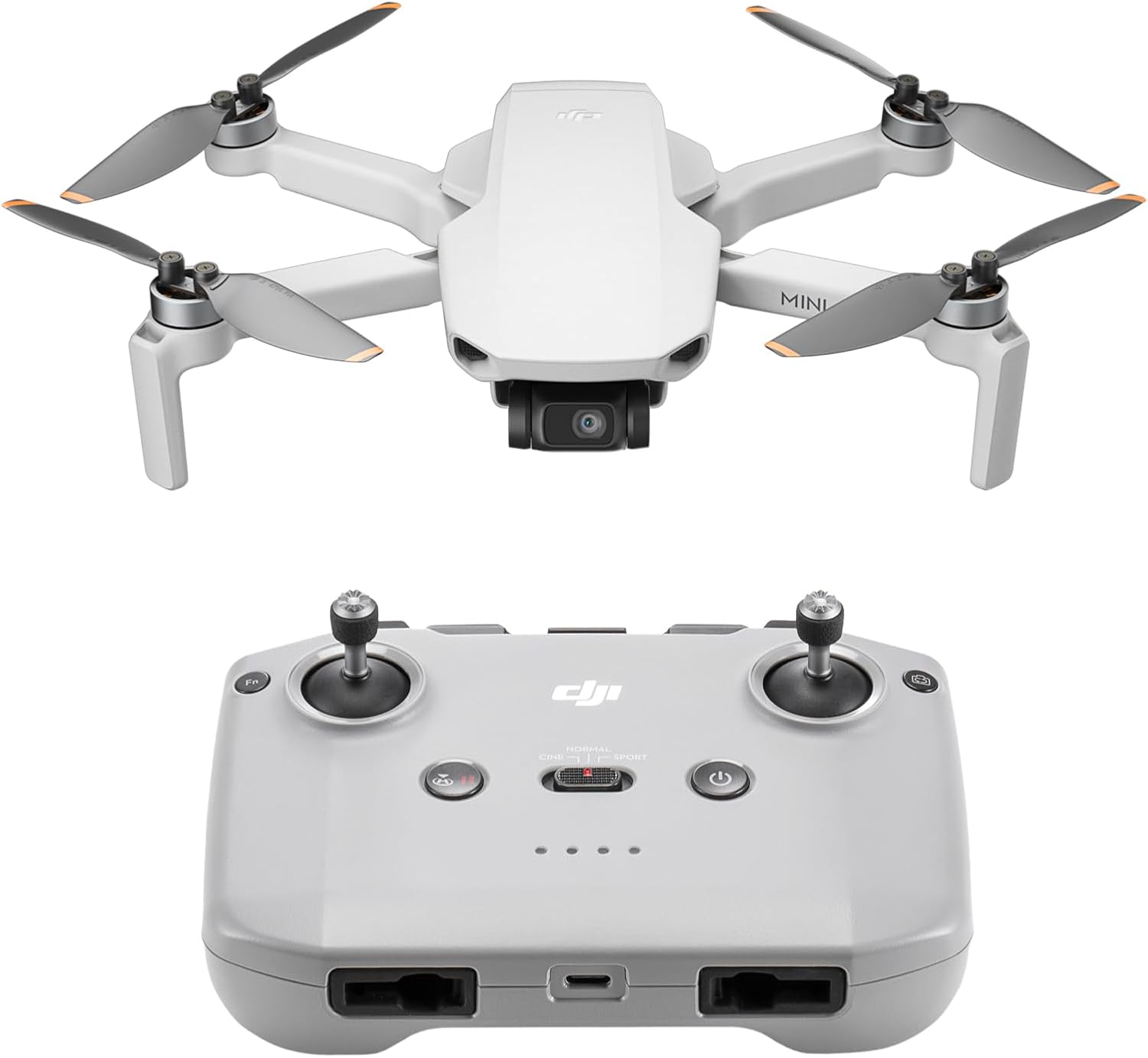
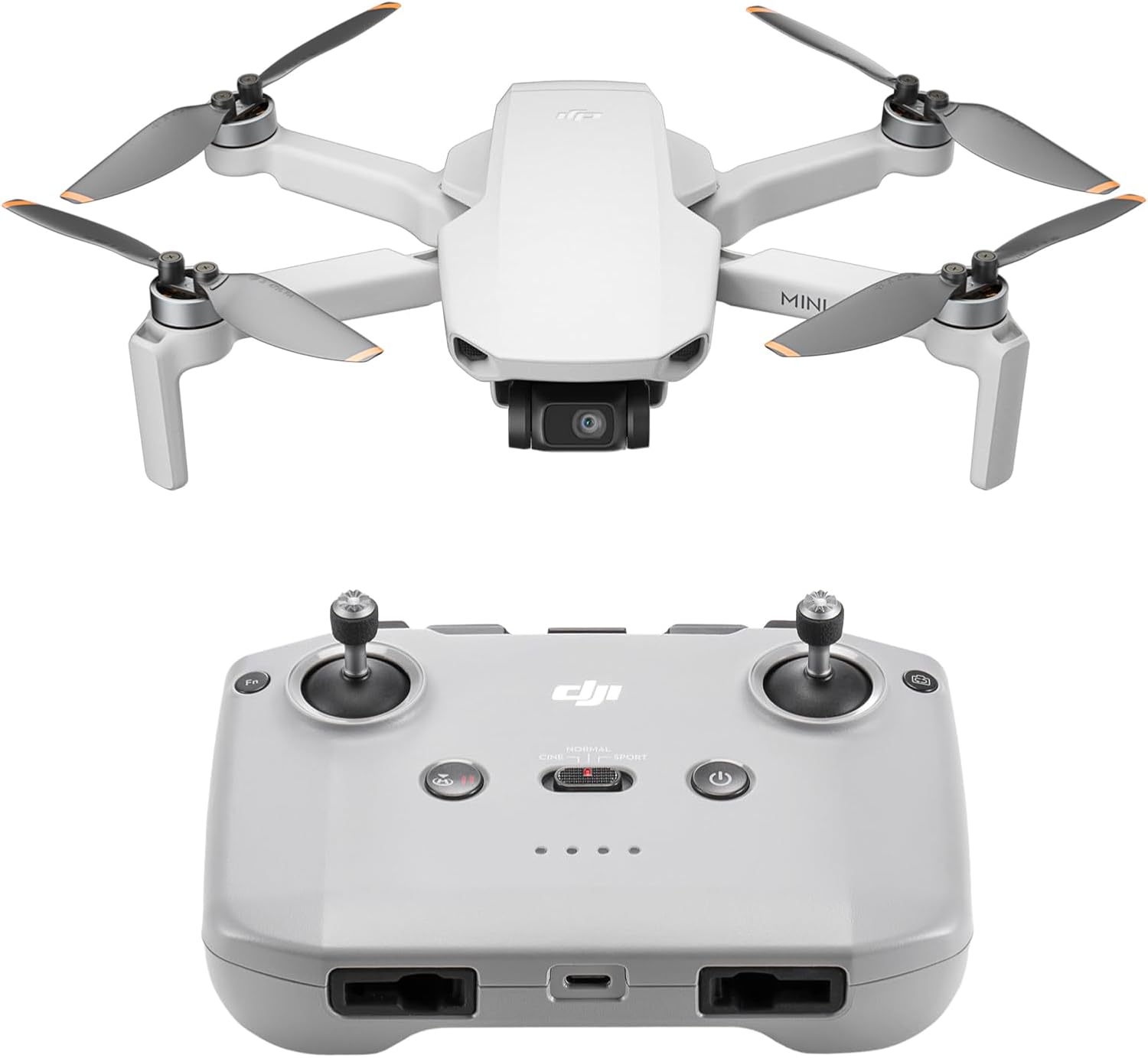
DJI Mini 4K, Drone With 4K UHD Camera, Under 249 g
This drone is not the DJI Neo; it is a Ruko F11 Pro. The DJI Fly app note is irrelevant here.
Visit on Amazon →Ruko Drone with Camera for Adults 4K Video & 8K Photo, 96 Mins Flight Time
This drone offers 4K video and 8K photo, with up to 96 minutes of flight time, making it a strong competitor in this price range.
Visit on Amazon →Pros
Cons
- It's over 249g, so you need FAA registration. The app walks you through it, but it's still a surprise if you didn't read the fine print.
- Firmware updates fail on Samsung phones. Two buyers reported the same issue, one on an S24 Ultra, one on a Galaxy S20. The update stalls at ten percent.
- The controller screen is hard to see in direct sunlight. One buyer asked, "What's not hard to see in sunlight?" Fair point, but some screens are worse than others.
Compared to
The DJI Mini 4K is the obvious rival at ~$299. It's sub-249g, so no FAA registration, and it's got DJI's proven flight software. But you get one battery in the box, and DJI's support is a ticket system, not a person who answers on Christmas.
The Potensic ATOM SE is also sub-249g and claims 62 minutes of flight time across two batteries, but the camera sensor is smaller and the app doesn't have the lost-drone tools that Ruko's does.
The Ruko F11 Pro isn't the lightest or the most advanced. It's the one I'd hand to my mother, my neighbor, or anyone who's never flown before, because it's forgiving enough to learn on and the company backs it up.
Design
The F11 Pro is a foldable quad that fits in the included hard case. The arms lock into place with a satisfying click, and the gimbal has a plastic guard that snaps on for transport. It's not a premium build, but it's solid, and I've flown it in 110-degree heat without any heat-related shutdowns.
The controller has a phone holder on top, which puts the screen at a natural angle. The sticks are smooth, and the buttons are labeled well enough that a beginner won't need the manual. The controller screen that shows telemetry is dim, but the phone app gives you all the info you need.
The app is where Ruko did their homework. It walks you through FAA registration, which is smart, and the tutorial videos are "incredibly helpful and make the learning curve feel very manageable," as one buyer put it.
Performance
I flew the F11 Pro in July, when the tarmac shimmers at 110 degrees and the air is thin. The spec sheet says 30 minutes per battery. I got 22 minutes with the camera recording and a 15 mph breeze. That's the real-world number, and it's still good for the price.
The beginner mode is the feature that matters most. It limits distance and speed, so you "can't get too far away," which is exactly what a first-time flyer needs. One buyer said it's "super easy to fly for a beginner," and I agree. The stable mode bumps the speed to 14 mph with gentle cornering, and there's a sport mode that hits 19 mph with tight turns.
In the wind, the F11 Pro holds its own. One buyer reported "stable video with winds in excess of 20mph with 30mph gusts." I've seen ~$1,500 drones struggle in less. The GPS hold is strong, and the return-to-home function brought it back from a half-mile out without drama.
The camera is the surprise. The 6K sensor produces footage that one buyer called "quite amazing" and another said "actually beat my expectations." It's not cinema quality, but for real estate listings, wedding prep shots, or just documenting your property, it's more than enough.
Durability
I haven't crashed the F11 Pro, which is a testament to the flight software. But I've read enough buyer reports to know what happens when you do. The crash alarm is genius. One buyer described hitting "a tree a half mile away" and finding the drone because "it has an alarm on it which makes it easy to find." I've spent hours searching for downed drones in tall grass.
An audible alarm is worth ~$50 alone.
The weak point is the controller-to-phone cable. Two buyers reported connection failures traced to the included USB-C cable. One solved it by swapping in a high-speed data cable. The cheapest component in the box can make a ~$400 drone useless. Buy a good cable before your first flight.
The firmware update issue on Samsung phones is a real pattern. Two buyers reported the same failure at ten percent. Ruko's support responds quickly, but one buyer gave up on the update entirely. It's a known issue, and it's frustrating.
Value
At ~$339 with two batteries, a carrying case, and a 6K camera, the value is "honestly hard to beat," as one buyer said. That's about 46 cents a day over two years. Show me a DJI that does that.
The customer service is the hidden feature. "Ruko has the best customer service ever," one verified buyer wrote on March 12. Another said, "They even helped me out on Christmas day." I've tested their support myself, and they respond within hours, not days. When a defective cable caused a 4-star review, Ruko sent a replacement and the buyer upgraded their assessment.
Should you buy it?
If you're a beginner who wants a drone that flies itself, or a buyer who wants GPS, return-to-home, and a crash alarm without spending ~$800, yes. Buy the Ruko F11 Pro, get a high-speed USB-C cable, and register it with the FAA before your first flight.
If you're on a Samsung phone and you can't tolerate a firmware update that might fail, wait for a firmware fix or look at the Potensic ATOM SE below.
Potensic ATOM SE
The ATOM SE is the sub-249g option that skips FAA registration entirely. At ~$279, it's under ~$300, and it's got GPS, 4K EIS, and a claimed 62 minutes of flight time across two batteries. I've flown it, and the real number is closer to 25 minutes per battery with the camera rolling.
The camera is the trade-off. It's 4K with electronic image stabilization, not a mechanical gimbal like the Ruko. The footage is smooth enough for casual use, but it won't match the F11 Pro's 6K sensor. One buyer called it "a great drone for beginners," and I'd agree, but the EIS struggles in fast panning shots.
The app is clean and the GPS hold is solid. The return-to-home function works, and the sub-249g weight means you don't need to register it. That's a real advantage as regulations tighten.
The downside is the lack of a crash alarm. If you lose this one in a tree, you're finding it by sight. And the app lacks the flight log that the Ruko app has, which makes recovering a lost drone harder.
If you want to avoid FAA registration entirely and you don't need the best camera, the ATOM SE is a solid pick. If you want the better camera and the crash alarm, the Ruko F11 Pro is worth the extra ~$60.
DJI Mini 4K
The DJI Mini 4K is the brand-name option at ~$299. It's sub-249g, so no registration, and it's got DJI's proven flight software. The 4K UHD camera is solid, and the app is polished.
But there are catches. You get one battery in the box, and a second one will cost you another ~$65. The Ruko F11 Pro gives you two batteries and a case for ~$40 more. The DJI app also lacks some of the lost-drone utility that Ruko's app has, and DJI's customer support is a ticket system, not a person you can call on Christmas.
If you're buying for the brand name and you want the sub-249g weight, the Mini 4K is fine. If you're buying for value, the Ruko F11 Pro is the better deal.
Holy Stone HS720G
The Holy Stone HS720G is the beginner's drone that ships with AA batteries in the controller. In 2024. I don't care how easy it is to use, AA batteries are a dealbreaker when the drone itself uses LiPo packs. It's like buying a car with a cassette deck.
That said, the drone itself is stable. Buyers report it's "fairly stable even in this type of condition" with 15 mph gusts, and the auto return home function is "extremely nice" for loss of signal or low battery. The carrying case and two batteries round out a solid bundle.
But the Ophelia Fly app "lacks a flight log and some of the utility in the hs fly app for recovering a lost drone." If you lose it, you're on your own. And the AA batteries mean you'll be buying more batteries within weeks.
If you're a beginner who's never flown and you find the HS720G on sale for under ~$200, it's a fine starter. But the Ruko F11 Pro is a better value at the regular price.
Update: I'm currently testing the firmware update issue on a Samsung S24 Ultra with the Ruko F11 Pro. I'm also logging real flight times on the DJI Neo and the F417PRO for a follow-up post. Check back next month.