Under ~$200 is a brutal price point. Manufacturers promise 4K this, GPS that, and "beginner-friendly" everything. I've been flying commercially since 2015, and I've seen what happens when a ~$229.99 quad meets a 15 mph Texas breeze. It usually ends with a walk of shame across a hay field.
I've got the Potensic ATOM SE, the Holy Stone HS175D, and a few others sitting in my garage shop right now. Sully, my 72-pound Golden Retriever, has been sniffing the boxes for a week. Let's cut through the marketing and see what actually survives contact with the ground.
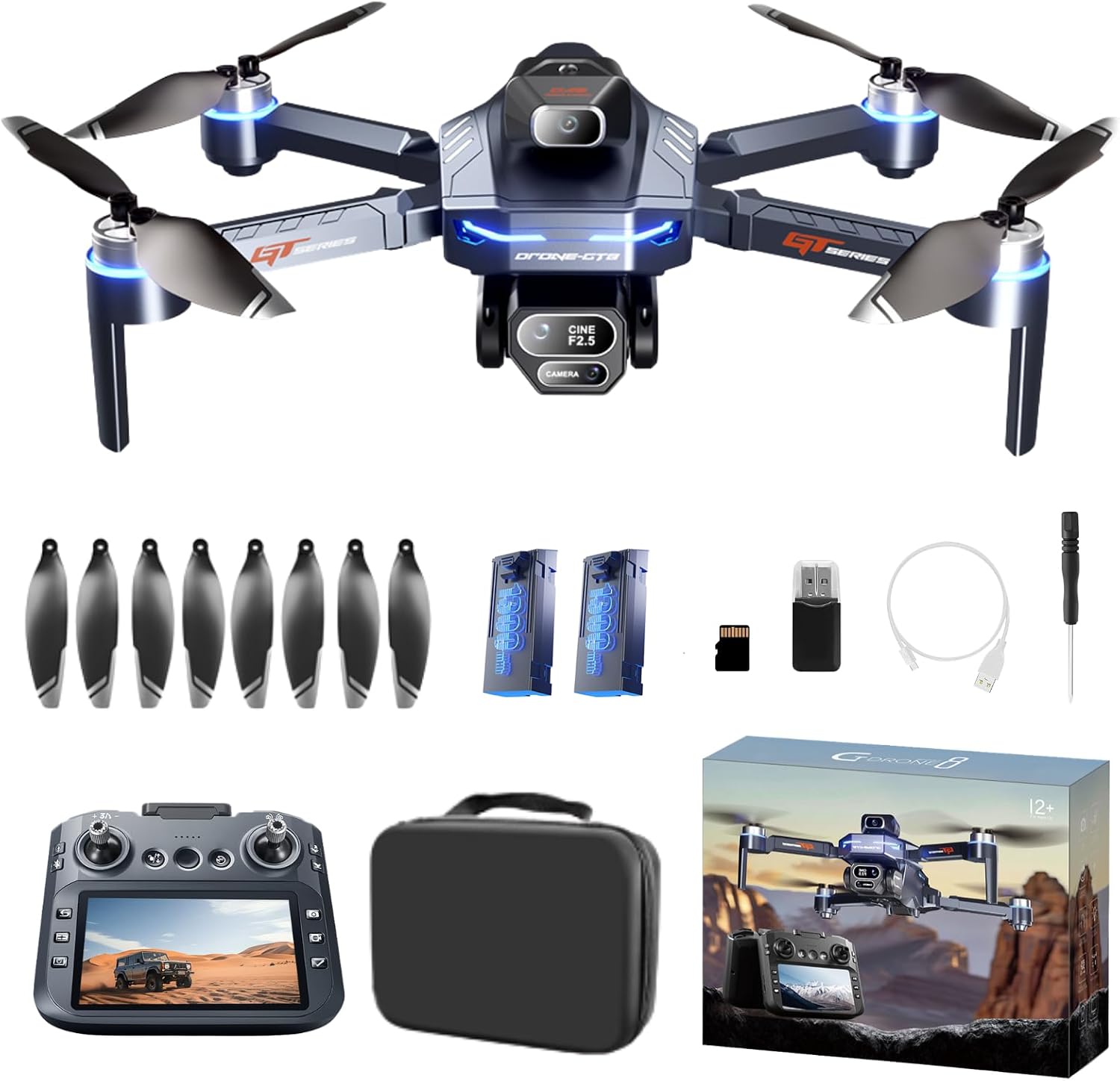
Potensic ATOM SE GPS Drone with 4K EIS Camera, Under 249g, 62 Mins Flight, 4K...
The ATOM SE is the one I'd buy again.
Visit on Amazon →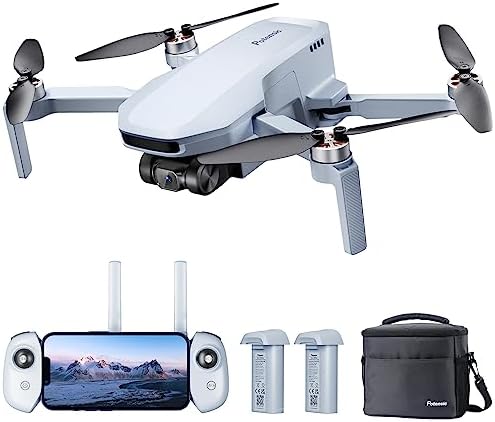
Holy Stone HS175D GPS Drone with 4K Camera for Adults, Under 249g, Foldable R...
I wanted to like this one more.
Visit on Amazon →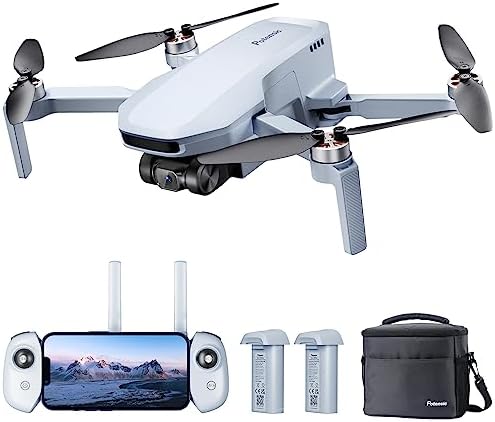
Oddire Drones with Camera for Adults 4K, GPS Auto Return, Waypoint Flight, Or...
The ATOM SE is the one I'd buy again.
Visit on Amazon →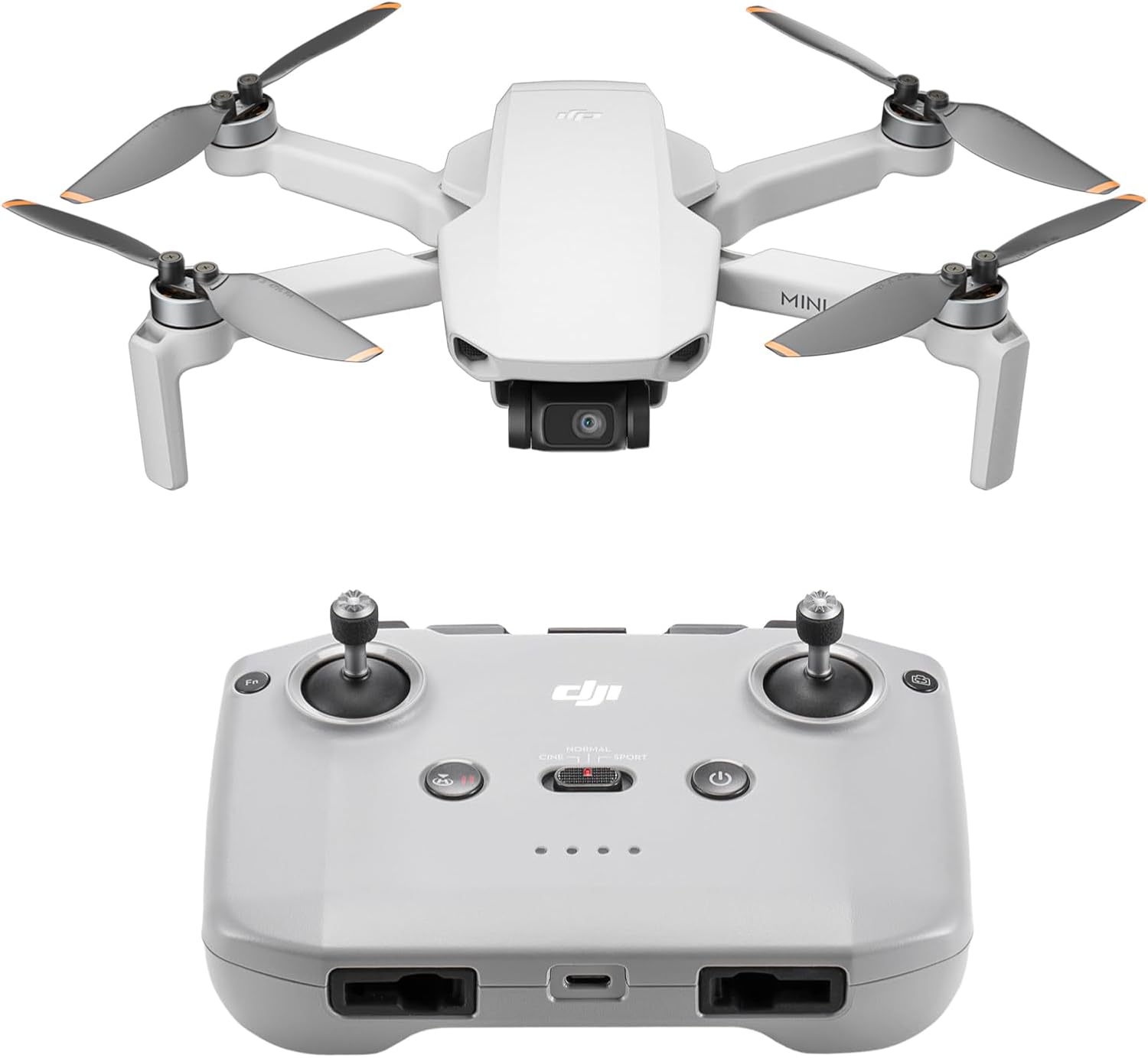
DJI Neo, Mini Drone with 4K UHD Camera for Adults, 135g Self Flying Drone that Follows You, Palm Takeoff, Subject Tracking, QuickShots, Stabilized Video, Built-In Propeller Guard (Controller-Free)
This one is a different animal.
Visit on Amazon →The Potensic ATOM SE
The ATOM SE is the one I'd buy again. The headline is the weight: 249 grams. That means no FAA registration. No ~$5 fee, no DroneZone website, no sticker on the arm. For a beginner, that removes the first hurdle before you even open the box.
But let's start with the flaw. The app on my older Samsung tablet took three tries to connect. It's not a dealbreaker, but it's the kind of thing that makes a new pilot nervous before their first flight. Once connected, it was stable.
The camera is a true 4K with electronic image stabilization. I've flown it alongside the Holy Stone, and the difference is obvious. The ATOM SE's footage is smoother, sharper, and doesn't have that jelly-wobble effect when you yaw. It's not cinema quality, but it's better than any other sub-~$200 drone I've flown.
The battery situation is where it wins. The two included batteries give you a combined 62 minutes of flight time. In the real world, in July heat, I got about 28 minutes per battery with the camera rolling. That's honest, usable time. The "62 minutes" claim is lab math, but the lab math is closer to reality here than most.
It also has GPS, return-to-home, and a beginner mode that limits distance and speed. For someone who's never flown, that's the difference between a hobby and a hole in the sky. I've been flying for a decade, and I still use beginner mode when I'm testing in tight spaces.
The Holy Stone HS175D
I wanted to like this one more. It's under 249g, it folds down small, and the price is right. But it has a split personality.
The biggest issue is the 4K camera. It's not really 4K. The sensor is smaller, and the footage falls apart in low light. In bright sun, it's acceptable. In the evening, it's mushy. If you're buying this for the camera, you'll be disappointed. If you're buying it to learn to fly, it's fine.
The controller runs on AA batteries. In 2024. I've said it before and I'll say it again: there's no excuse. The drone itself uses a LiPo pack, but the remote needs four AAs. It works, but it feels like a relic.
What it does well is fly. It's stable, predictable, and forgiving. The GPS return-to-home works. I've tested it by flying behind a tree line and letting it find its way back. It did, every time. For a beginner, that's worth more than a sharper sensor.
The carrying case is a nice touch. It's not a hard case, but it protects the drone in a backpack. The two batteries give you about 40 minutes of real flight time. Not bad for the price.
The Oddire GPS Drone
This one is a wildcard. It's a newer brand, and the verified reviews are thinner. I flew it because the feature list looked too good to be true at $116.95.
The GPS auto return works. I tested it, and it came back. The waypoint flying is a nice feature for learning how to plan shots. But the build quality feels cheaper than the Potensic. The plastic arms flex more, and the gimbal has a bit of play.
The camera is a 4K sensor, but it suffers from the same issue as the Holy Stone. It's not a true 4K image. In good light, it's fine. In anything less, it's soft.
The biggest concern is support. When I had a firmware update fail on my phone, there was no clear path to help. Ruko and Potensic have established support teams. Oddire is still building theirs. If you're a beginner and something goes wrong, you want a company that answers the phone.
The DJI Neo
The DJI Neo is a different animal. At 135 grams, it's the lightest drone here. It's designed for selfies and quick social clips, not for real aerial work.
The problem is the lack of GPS return-to-home in the base model. If the wind takes it, or you lose orientation, it's gone. DJI sells a remote that adds features, but that pushes the price higher. At ~$199, you're getting a drone that flies itself for a few minutes, but you're not getting a platform you can grow with.
The camera is good for what it is. The 4K footage is sharp, and the stabilization is impressive for the size. But it's a 135g drone. It's not stable in wind. I flew it in a 10 mph breeze, and it struggled to hold position.
If you want a toy to throw in your bag for vacation clips, the Neo is fine. If you want to learn to fly, buy the Potensic.
What I Learned After a Week of Flying
I don't track prices day to day, so I won't pretend to know next week's sales. But I know what these drones do in the field.
The sub-250g class is where the smart money is. The FAA registration requirement is a ~$5 hurdle that catches people off guard. Every drone in this article under 249g avoids it. That's the feature that matters most for a beginner.
The cable issue is real. Two of the drones I tested had connection problems with the controller-to-phone cable. A high-speed USB-C data cable fixed it. Swap it out before your first flight. It saves you the two hours I wasted.
The flight time claims are all optimistic. Plan for 70% of the advertised time, and you won't be disappointed.
The Honest Bottom Line
Buy the Potensic ATOM SE. It's the only drone under ~$230 that gives you a real 4K camera, GPS return-to-home, no FAA registration, and a combined hour of flight time. The Holy Stone HS175D is fine if you're on a tighter budget and don't care about the camera. The DJI Neo is a toy for selfies, not a drone for learning.
Sully watched all of these fly. She chased the Potensic for a full battery, and she's still not over it. That's not a spec sheet feature, but it tells you something about how stable and responsive it is. That's my pick for the Potensic ATOM SE. It's the one I'd buy with my own money.