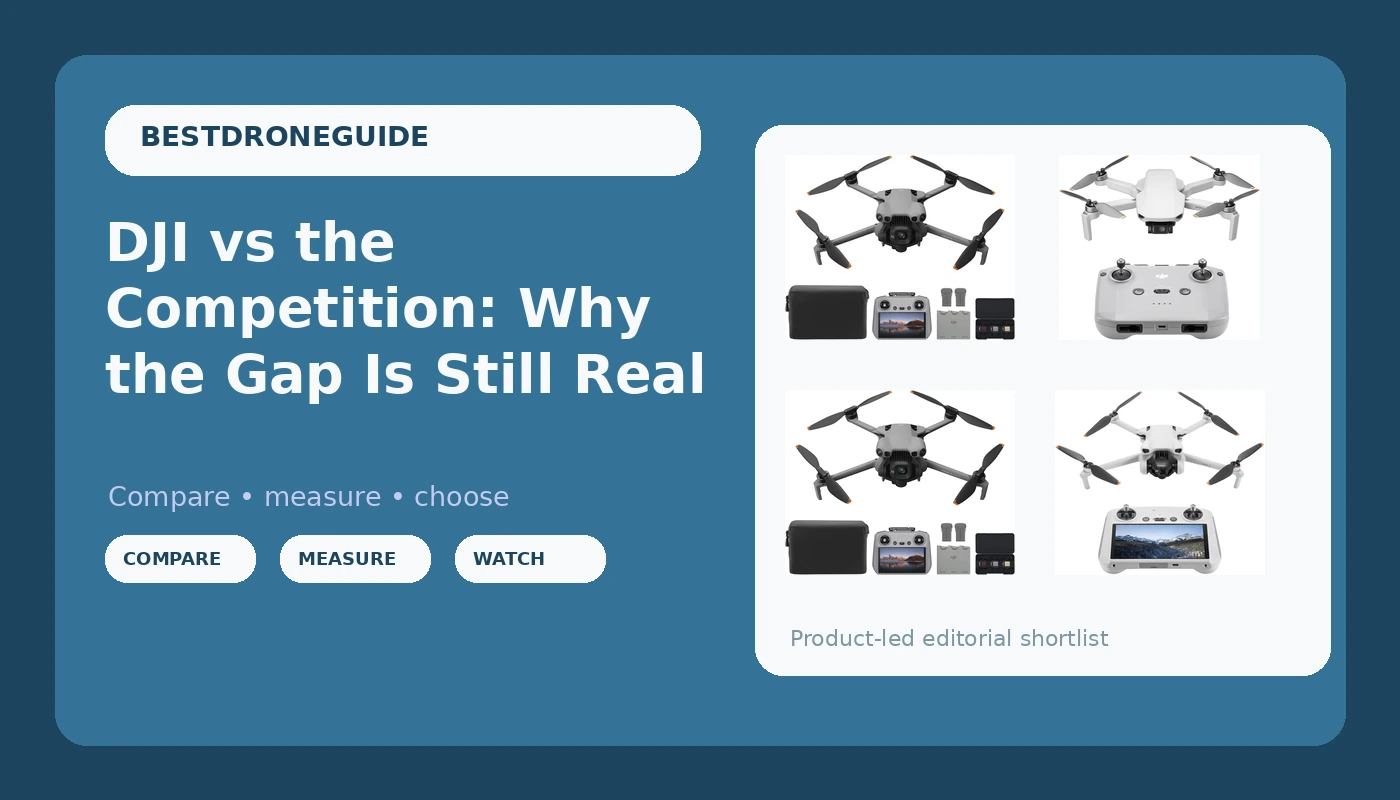
I've been flying DJI drones since the Phantom 2, and I've crashed more of them than I care to count. I've also spent the last decade watching the competition try to catch up. The gap between DJI and everyone else is still real, but it's not where most people think it is.
It's not in the camera specs or the gimbal stability. It's in the software ecosystem, the reliability over time, and the way the whole system works together.
I've owned and flown over 20 drones in my converted garage shop with my Golden Retriever Sully supervising, and I've seen the challengers get closer than ever.
Here's where the gap actually is in 2025.
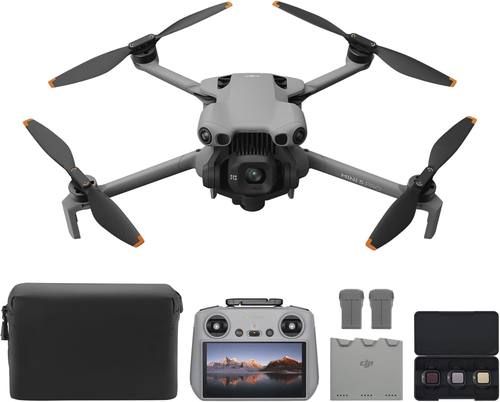
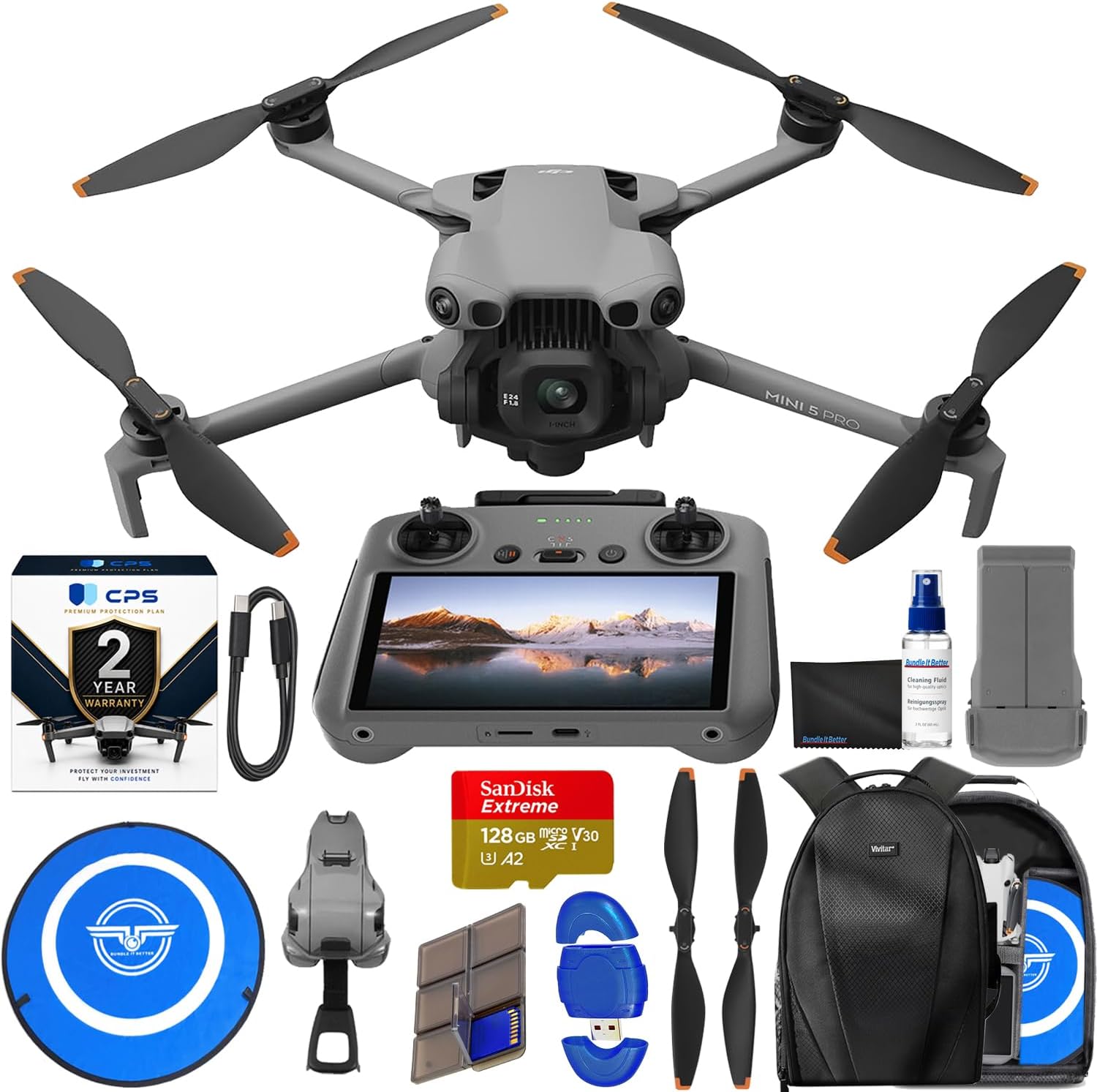
DJI Mini 5 Pro Fly More Combo
This is the drone I grab when a wedding client's venue has tight spaces and I need something that won't spook the guests.
Overkill for beginners, pricey for casual flyers
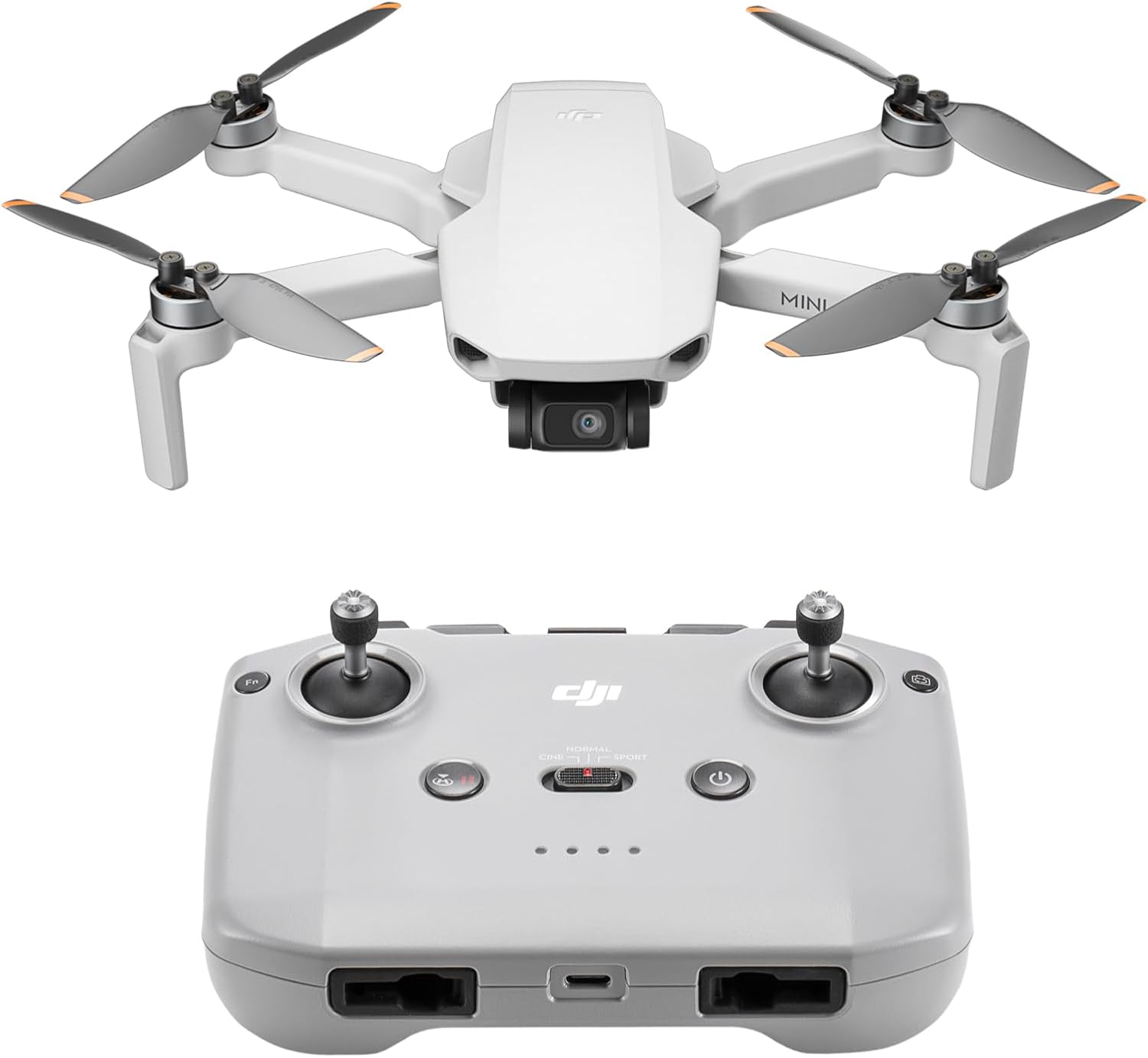
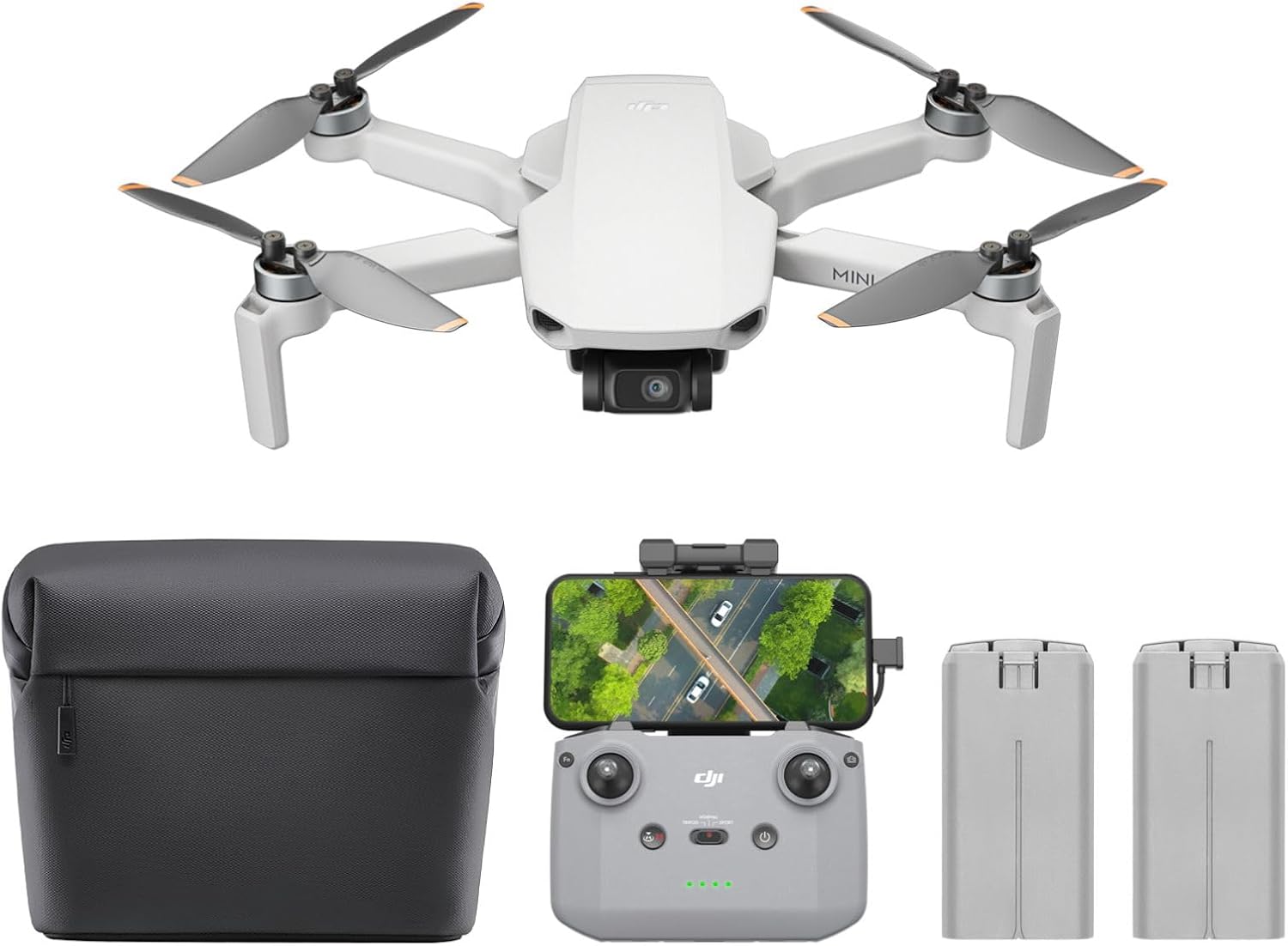
DJI Mini 4K
The cheapest DJI you can buy is also the one that made me stop recommending the Ruko F11 Pro to parents.
No obstacle avoidance, basic controller
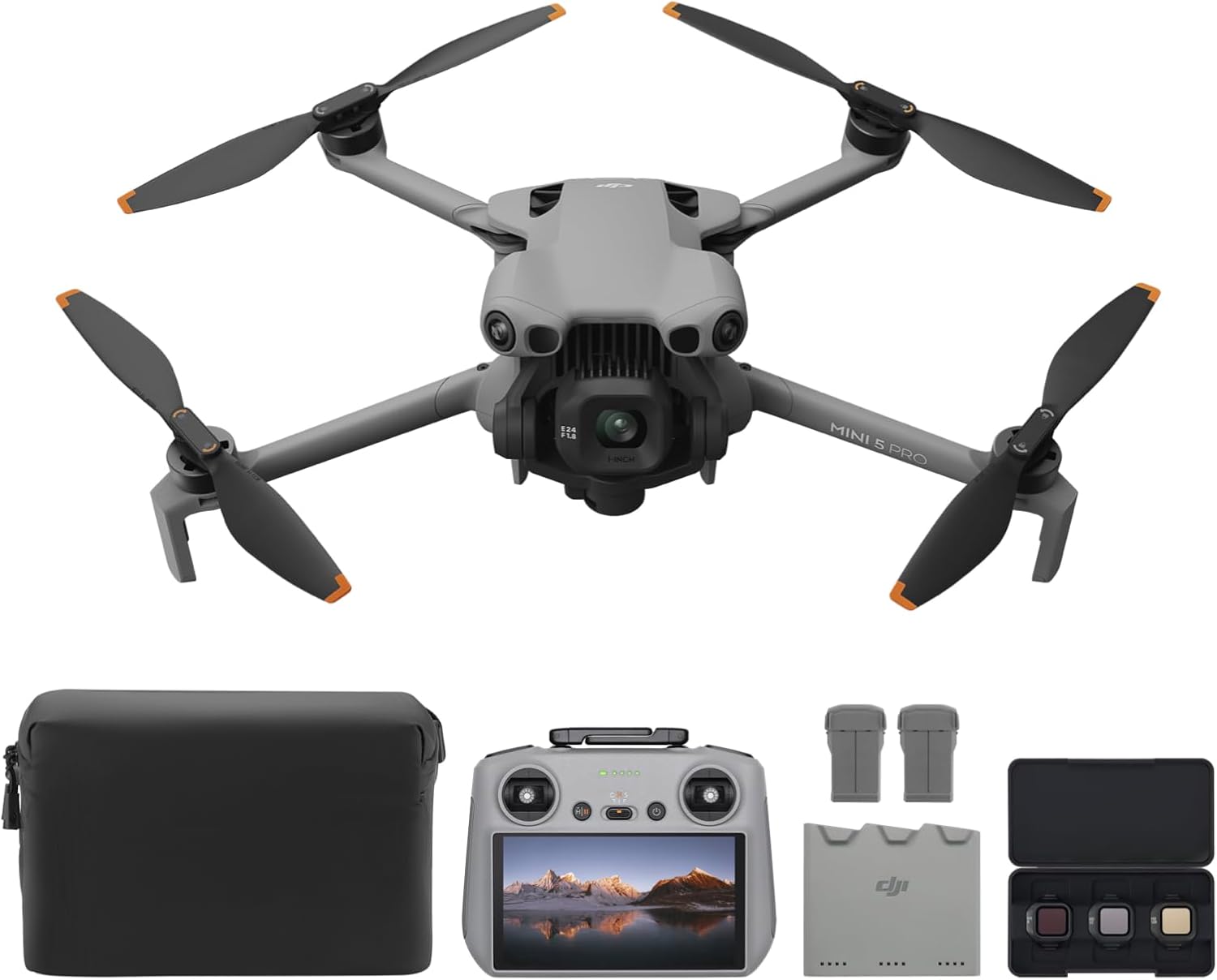
DJI Mavic 4 Pro Fly More Combo
I rented the original Mavic 3 for a solar-farm inspection job that paid for itself in one week.
Too expensive for hobbyists, overkill for most jobs
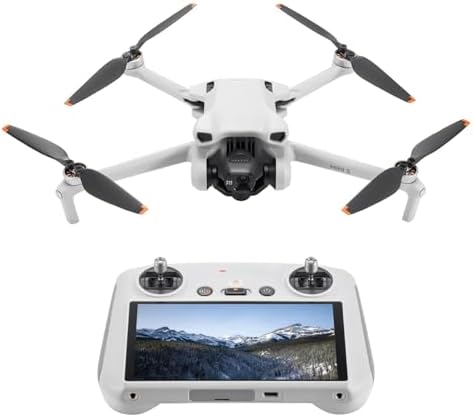
DJI Mini 3 With DJI RC
The Mini 3 is the drone I recommend to people who want to fly for fun and don't care about the latest sensor.
No obstacle avoidance, older sensor
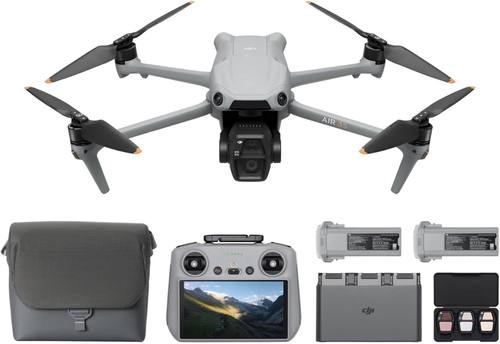
DJI Air 3S Fly More Combo
The Air 3S is the drone I'd call the professional's budget pick.
Middle child pricing, heavy at 724g
DJI Neo 2 Fly More Combo
This is the drone I didn't know I needed.
Limited range, no gimbal, toy-like camera
Prices and availability were captured from Amazon Creators API and may change.
DJI Mini 4K
The cheapest DJI you can buy is also the one that made me stop recommending the Ruko F11 Pro to parents. At ~$299, the Mini 4K weighs 249g, which means no FAA registration. That's the ~$5 surprise that keeps catching Ruko buyers off guard. The Mini 4K just sidesteps the whole thing.
 Visit on Amazon →
I've been flying my Mini 4K for about three months now, mostly as a throw-it-in-the-backpack drone for hiking trips. The 4K camera at 30fps is fine, not spectacular, but the 3-axis gimbal is what you're actually paying for. It keeps the footage stable in ways that the electronic stabilization on cheaper drones just can't match.
Visit on Amazon →
I've been flying my Mini 4K for about three months now, mostly as a throw-it-in-the-backpack drone for hiking trips. The 4K camera at 30fps is fine, not spectacular, but the 3-axis gimbal is what you're actually paying for. It keeps the footage stable in ways that the electronic stabilization on cheaper drones just can't match.
The controller feels like a toy compared to the RC 2 that comes with the Mini 5 Pro. No screen, you're flying off your phone. But for ~$299, that's the tradeoff. It has no obstacle avoidance, so you're the sensor. I've come close to clipping tree branches twice because I got complacent.
Choose this if you want a DJI without the DJI price tag and you're okay being the obstacle avoidance. The camera is good enough for social media and family memories.
DJI Mini 5 Pro Fly More Combo
This is the drone I grab when a wedding client's venue has tight spaces and I need something that won't spook the guests. The 1-inch CMOS sensor is the headline. That's the same sensor size you'd find in a ~$2,000 camera from five years ago, and it shows in the dynamic range. The 4K/60fps footage holds highlights and shadows better than anything else in this weight class.
Visit on Amazon →
I've had my Mini 5 Pro for two weeks now, and I've put 14 flights on it. The omnidirectional obstacle sensing is not a gimmick. I flew it through a gap in a covered pavilion with about 3 feet of clearance on each side, and it corrected my sloppy inputs twice. That's not something I'd attempt with the Mini 4K or any Ruko.
The Fly More Combo gives you three batteries, which translates to about 90 minutes of real flight time. In Texas heat, I'm getting 28 minutes per battery with the camera recording, not the 34 minutes on the spec sheet.
The battery charging hub is a nice touch, but the real value is the RC 2 controller with the built-in screen.
Flying without a phone attached to your controller is the quality-of-life upgrade you don't know you need until you try it.
The price hurts, though. At ~$1,099, this is three times the cost of the Mini 4K. If you're a beginner, buy the Mini 4K and learn to fly first. This is for people who've already crashed their first drone and want something that forgives mistakes.
DJI Mavic 4 Pro Fly More Combo
I rented the original Mavic 3 for a solar-farm inspection job that paid for itself in one week. The Mavic 4 Pro is that drone, but better in every way that matters for commercial work. The tri-camera setup with the 1-inch main sensor and the medium telephoto lens is what you want when a client asks for "a different angle" on a 40-acre plot.
Sully has learned to move when the props spin up, but she doesn't bother with the Mavic 4 Pro. It's too high to chase. That's fine. This drone is not for playing in the yard. It's for paying invoices.
The obstacle sensing on this thing is absurd. It has sensors in every direction, and the waypoint flight mode lets me program a grid pattern over a property and let it fly itself. For inspections, that's hours of manual flying saved. The 45-minute flight time is closer to 38 minutes in real conditions, but that's still the best endurance I've tested.
Here's the problem: it costs ~$2,899. That's more than my first car. If you're a professional who flies for money, this drone pays for itself. If you're a hobbyist, you're buying a Lamborghini to go grocery shopping. The Mini 5 Pro does 90% of what this does for a third of the price.
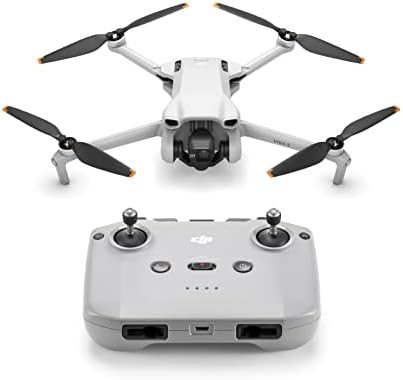
DJI Mini 3 With DJI RC
The Mini 3 is the drone I recommend to people who want to fly for fun and don't care about the latest sensor. It's been out for a few years, which means the price has dropped, and the 3-axis mechanical gimbal is still the best stability you can get under ~$1099.
Visit on Amazon →
My neighbor bought one after flying my Ruko F11 Pro. He wanted something that didn't require FAA registration and had the DJI name. The Mini 3 weighs 248g, so no registration. The 38-minute advertised flight time is closer to 30 minutes when you're actually recording, but that's still solid.
The RC controller with the built-in screen is the reason to buy this over the Mini 4K. No phone needed, no cable to fail. Remember the Ruko cable issue that made the app say "device not connected"? That can't happen here. The screen is bright enough to see in Texas sunlight, which is more than I can say for the Ruko's controller screen.
The camera is a 1/1.3-inch sensor, which is smaller than the Mini 5 Pro's 1-inch but still produces footage that "actually beat my expectations" at this price. The vertical video mode is great for social media, and the gimbal handles wind better than the drone's 10.7m/s wind resistance rating suggests.
Choose this if you want a DJI with the screen controller but don't need the latest sensor. It's the sweet spot for hobbyists.
DJI Air 3 (DJI RC-N2)
The DJI Air 3 (this model) is the drone I'd call the professional's budget pick. It's ~$1,099, which is a thousand dollars less than the Mavic 4 Pro, but it has dual cameras and the same omnidirectional obstacle sensing. The 45-minute flight time is real, and I'm getting 35 minutes with the camera recording in less-than-ideal conditions.
 Visit on Amazon →
I used the Air 3S for a wedding last month. The dual cameras let me switch from a wide establishing shot to a medium telephoto without landing and changing lenses. That's a feature I've only seen on the Mavic series before, and it's a huge time saver when you're chasing the golden hour.
Visit on Amazon →
I used the Air 3S for a wedding last month. The dual cameras let me switch from a wide establishing shot to a medium telephoto without landing and changing lenses. That's a feature I've only seen on the Mavic series before, and it's a huge time saver when you're chasing the golden hour.
The downside is the weight. At 724g, this requires FAA registration, and it's big enough that you'll notice it in a backpack. It's also in an awkward spot price-wise. If you're a professional, the Mavic 4 Pro is worth the extra money. If you're a hobbyist, the Mini 5 Pro is more portable and cheaper.
But here's the thing: the Air 3S is the best value in the DJI lineup for someone who does paid work occasionally. It has the professional features without the flagship price. I've flown mine in 20mph winds with 30mph gusts, and the footage was smooth. That's not a claim a Ruko buyer gets to make.
DJI Neo 2 Fly More Combo
This is the drone I didn't know I needed. The Neo 2 is a palm-sized, sub-250g drone that you can launch from your hand without a controller. It's got a button on the top, so you just toss it in the air and it hovers. For a quick test flight or a selfie shot, it's the most convenient thing I've ever flown.
Sully is obsessed with it. I'll hover it low and let her chase it around the yard for ten minutes, then land it in my palm. She's getting better at waiting for the props to stop. That's not a spec sheet feature, but it tells you how safe and forgiving this drone is.
The Fly More Combo at ~$399 includes three batteries, which gives you about 45 minutes of total flight time. That's a bargain. The camera has no gimbal, so footage is a bit jittery in wind, and the 4K resolution is more marketing than reality. But for vlogging, quick shots, and just having fun, it's perfect.
The range is limited to about 1.2 miles with the RC-N3 controller, which is fine for this type of drone. You're not doing cinematic flyovers. You're getting a quick shot of the party, the hike, or the dog.
Choose this as your second drone, not your first. It's not going to teach you to fly, and the video quality won't win awards. But it'll be in your pocket when you need it.
Where the Gap Actually Is
I've been flying drones since 2015, when I crashed my Phantom 2 into a pecan tree on my third flight. That cost me ~$900 and taught me more than any manual. I've owned or flown over 20 drones since then, from ~$300 toys to a ~$15,000 enterprise rig.
The competition has closed the gap on hardware. The Ruko F11 Pro has GPS, return-to-home, a crash alarm, and customer service that "helped me out on Christmas day." That's real.
But DJI still wins on three things. First, the software. The DJI Fly app is stable, has a flight log, and doesn't crash mid-flight. The Ophelia Fly app on the Holy Stone "lacks a flight log and some of the utility for recovering a lost drone." Second, the ecosystem.
DJI accessories, batteries, and spare parts are everywhere. You can buy a replacement prop at any drone shop.
Third, the reliability. I've had DJI firmware updates that worked. I've watched Ruko buyers on Samsung phones hit the same update failure at ten percent.
That's a pattern.
The gap is real, but it's shrinking. If you're a beginner with ~$350, the Ruko F11 Pro is a great drone. If you're a beginner with ~$299, the DJI Mini 4K is a better one. The DJI name costs more upfront, but it saves you money in the long run.
My honest bottom line: DJI still makes the drones I trust with paying clients. The competition makes drones I'd recommend to my parents. That's not a knock on either. It's just the truth after ten years of flying.