Related: Best Drone for Real Estate Photography Without an Enterprise Budget
I bought my first drone in 2015, a Phantom 2 that weighed more than my camera bag and delivered maybe twelve honest minutes of flight. Eleven years and twenty-plus airframes later, the question I get asked most is still the simplest one: what should I actually buy? This FPV drone buying guide is my answer, sorted by what you are trying to do rather than by what the box brags about. I fly four or five days a week around Phoenix, where the tarmac hits 140 degrees and every flight-time claim printed on a box quietly loses a third of its value.
Here is the short version. A cheap trainer teaches you the sticks without a repair bill. A mid-range camera drone with a real gimbal is what pays for itself if you shoot anything for money. An FPV kit with three batteries is what you buy when you already know you will fly every weekend. Accessories are the part nobody budgets for, and I will get to those too.
One rule before we start: flight time is a lab number. Manufacturers test in still air at room temperature with a fresh pack and a light payload. In July in Arizona, with heat and wind, plan on cutting every claim by 30 to 40 percent. That single adjustment will do more for your buying decisions than any spec sheet.
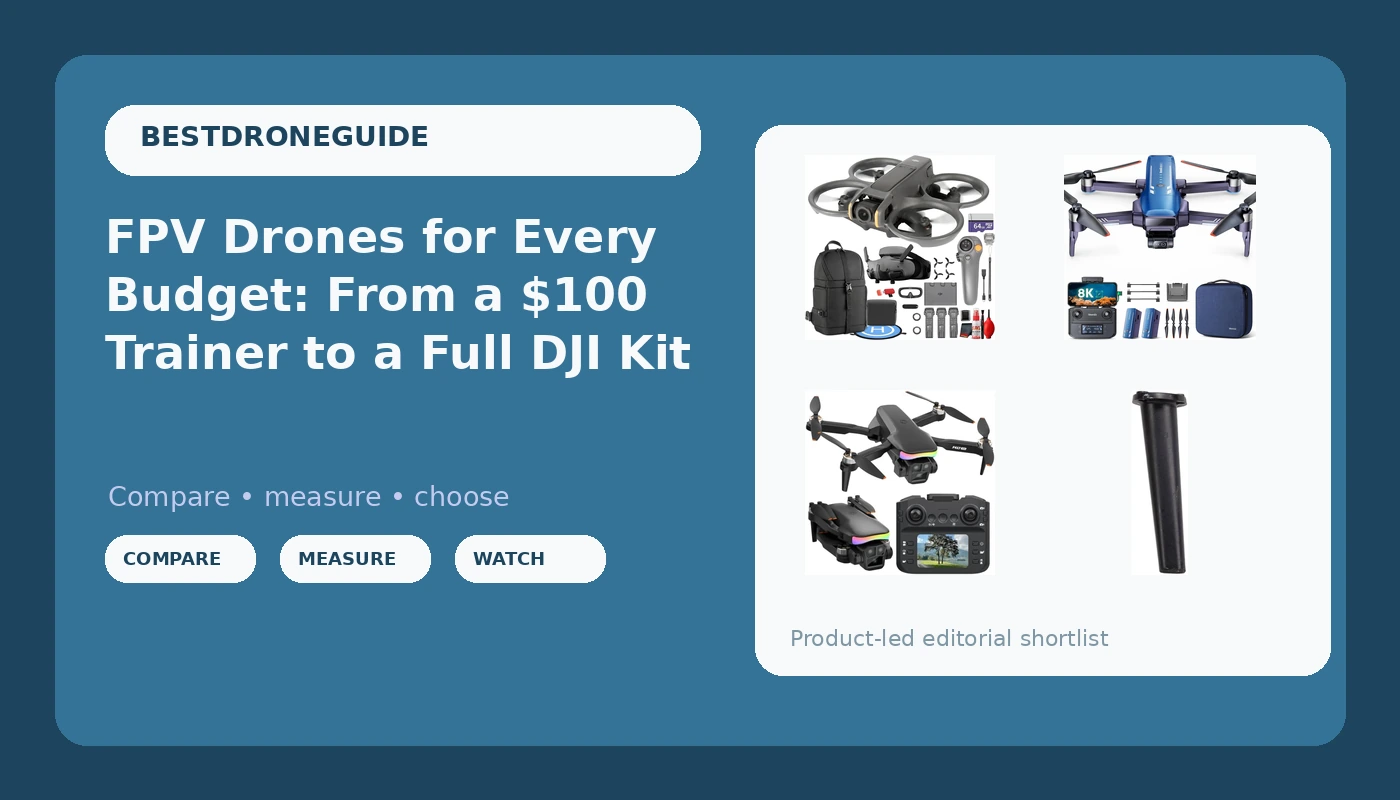
Best Overall for FPV: DJI Avata 2 Drone with Goggles 3 and 3-Battery Fly More Combo
This is the kit I would buy tomorrow if I were adding an FPV rig for travel and content creation. The reason is in the name: three batteries. Batteries are the real cost of drone ownership, and a single-battery box is a trap, because you spend twenty minutes flying and ninety minutes waiting on a charger. A three-battery Fly More combo means an afternoon of flying instead of a coffee break.
Goggles 3 are the other half of the appeal. Flying in first person is a genuinely different skill from watching a phone screen on a controller, and it is the part that makes travel footage feel like travel footage instead of a slow orbit. The bundle also throws in a 64GB card and a sling backpack, which is the boring, practical stuff that otherwise shows up as a separate order on day one. Twenty-two pieces in one box is a real convenience, not padding.
The honest caveat is the price. This sits well above the mid-range camera drones most hobbyists start with, and FPV is not a forgiving first aircraft. If you have never flown line of sight, learn on something cheap and disposable first. If you already fly and want an FPV kit that handles adventure and travel without a pile of separate purchases, this combo is the cleanest way to buy it.
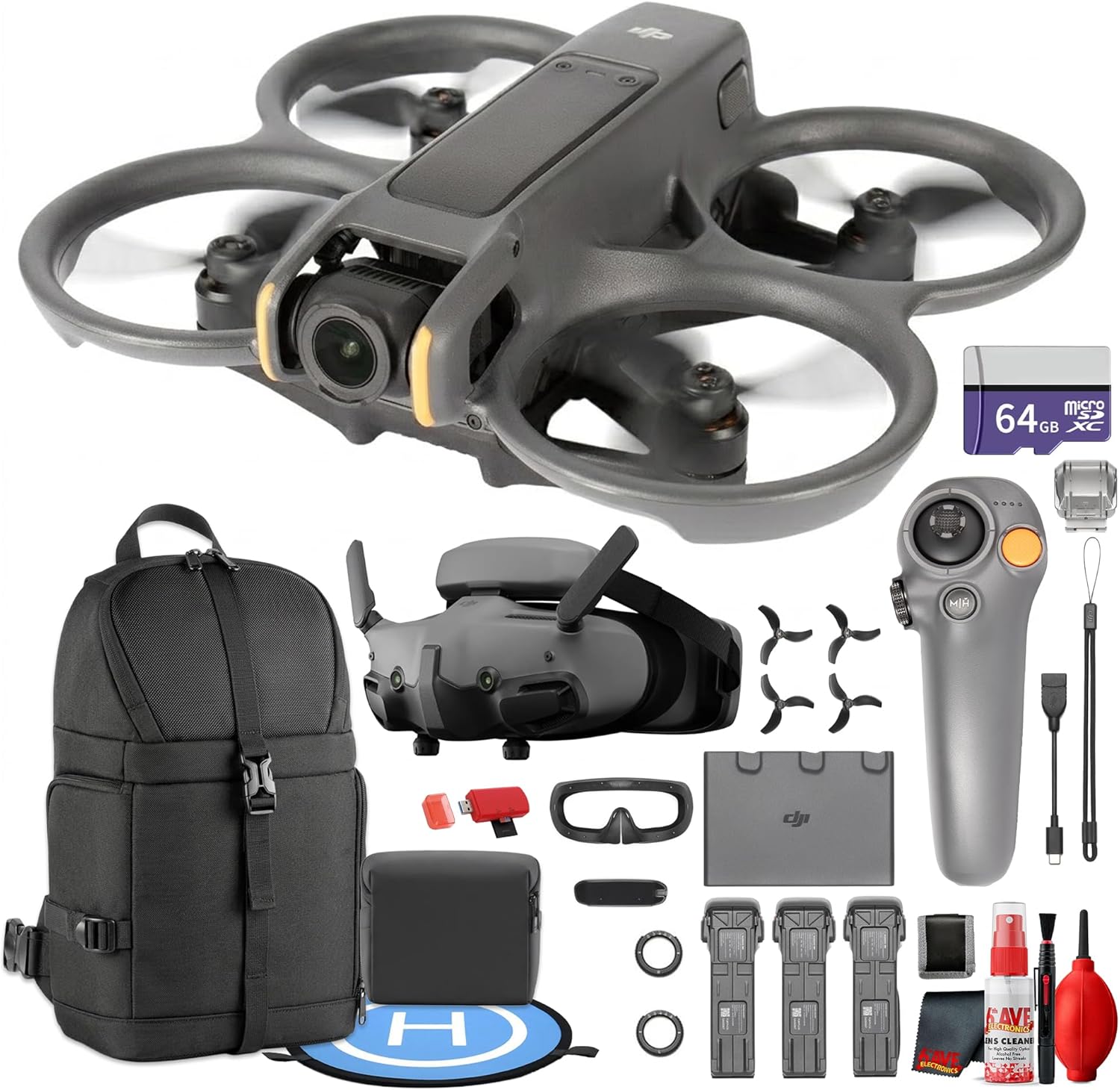
Best Camera Value: V11PRO Drone with 8K Camera
The headline number is 8K, and I want you to ignore it for a second. A 48 million pixel still image on a small sensor is a marketing number, not an image-quality number. Sensor size beats megapixels every single time. The figure that actually matters here is in the middle of the spec list: 3-axis gimbal.
A gimbal is what separates usable footage from footage that makes your viewer seasick. Three axes of stabilization means the camera stays level while the airframe fights the wind, which is why this class of drone can produce video a client will accept. The 4K/30fps video mode is the one you will live in, and it is plenty for real estate walkthroughs, roof inspections and social cutdowns.
Two batteries in the box is the right call, and the 80 minute flight time claim is the one I would mentally rewrite. Across both packs, in summer heat and mixed flying, plan on something much closer to half that. The 6KM video transmission figure is a lab number too. Legally and practically you fly within visual line of sight, so treat long-range transmission as a bonus for signal stability in cluttered neighborhoods rather than permission to go sightseeing.
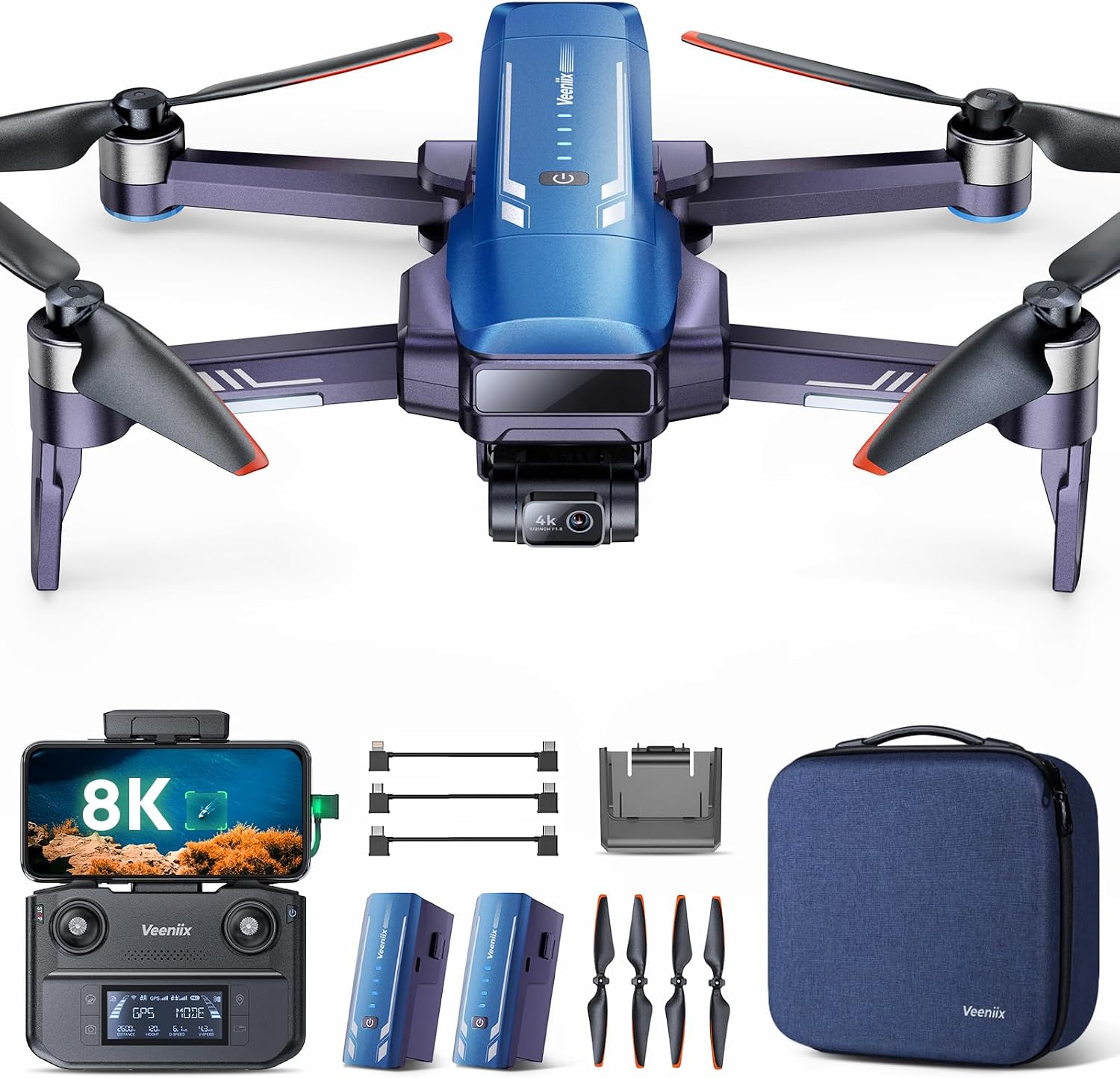
Best First FPV Drone: F417PRO FPV Drone with Camera
Under 249 grams, which means no FAA registration for recreational flying in the United States. That matters more every year. The regulation squeeze keeps pushing hobbyists into the sub-250g class, and this is exactly the kind of aircraft that benefits. It is light, it is cheap to crash, and it does not drag you into paperwork before your first flight.
The second thing I like is the LCD screen remote controller with no phone needed. I have spent too many evenings fighting an app that wants an account, a login and a firmware update before it will let me arm the motors. A controller with its own screen sidesteps that entire mess. You charge it, you bind it, you fly.
Brushless motors at this price are the durability story. Brushed motors die young, and a beginner will kill a set of them inside a month. The 1080P adjustable camera is a trainer camera and nothing more, so do not buy this expecting client-grade footage. Buy it to learn orientation, to learn how a 3D flip feels, and to learn what your thumbs do under pressure. Type-C charging is a small thing that becomes a big thing when you are packing for a trip and do not want a bag of proprietary cables.
The accessory nobody budgets for
Landing feet front and rear, compatible with Autel airframes. This is not glamorous and it is not why anyone gets into drones, but it is the exact category of purchase that separates pilots who fly all season from pilots who lose three weeks waiting on a part. Landing gear, props and gimbal guards are consumables. They take the abuse so the airframe does not.
Buy spares before you need them. The day you crack a rear foot on a driveway landing is the day you want a replacement sitting in your case, not a tracking number. If you fly an Autel platform, keeping a set of front and rear feet on the shelf is cheap insurance against a grounded aircraft.
How I judge a drone
I do not start with resolution. I start with four questions, in this order.
First, what does the battery situation look like? How many packs come in the box, and what does a spare cost? A drone with one battery is a demo unit. A drone with two is usable. A drone with three is a tool.
Second, how does it stabilize? A gimbal, and specifically how many axes it corrects, tells me whether the footage is sellable. Everything else is secondary to that.
Third, how does the app behave? If I have to create an account to update firmware, or if the app crashes mid-preflight, the drone is grounded on the day I actually need it. That is not a small annoyance. That is a lost shoot.
Fourth, what happens in the heat? Every claim on the box was written in a climate-controlled room. I want to know how the aircraft behaves on its fourth flight of a 105-degree afternoon, when the pack is warm and the motors are working harder than they were at breakfast.
What the spec sheets actually mean
Transmission distance is the most abused number in this category. The V11PRO advertises 6KM video transmission, and that figure exists so the product page has a big number on it. In practice, your limit is your eyes and the regulations, not the radio. What long-range transmission actually buys you is a more stable link in a crowded suburban neighborhood, where a weak signal stutters behind every roofline.
Flight time is the second most abused number. An 80 minute claim across two batteries sounds enormous until you account for hover time versus aggressive flying, wind, payload and heat. Cut it by a third in summer and you have a realistic planning figure. That is not cynicism, that is how lithium packs behave when the ambient temperature is high.
Resolution is the third. 8K, 48 million pixels, 1080P: those numbers tell you about the file, not about the picture. A stabilized 4K clip from a gimbal drone beats an unstabilized 8K clip every time, because the viewer forgives detail and never forgives jello.
Weight is the fourth, and it is the one people ignore until they read the rules. Under 249 grams changes your obligations as a recreational flyer, and that single threshold has reshaped the entry-level market more than any camera upgrade.
The drone and gear reference table
This is the table I keep when someone asks me what to buy. Every row is a different job, not a different ranking.
| Drone or part | Class and weight | Camera and stabilization | What it is actually for |
|---|---|---|---|
 Visit on Amazon → Visit on Amazon →DJI Avata 2 with Goggles 3, 3-Battery Fly More Combo Check current Amazon price |
FPV, goggles included | FPV camera in the airframe, Goggles 3 for the view | Adventure, travel and content creation with three packs, 64GB card and sling backpack in the bundle |
 Visit on Amazon → Visit on Amazon →V11PRO with 8K camera Check current Amazon price |
Camera quadcopter | 8K stills claim, 48 million pixels, 4K/30fps video, 3-axis gimbal | Paid photo and video work on a mid-range budget, two batteries in the box, 6KM video transmission |
 Visit on Amazon → Visit on Amazon →F417PRO mini FPV Check current Amazon price |
Mini FPV, under 249g, no FAA registration | 1080P adjustable camera, brushless motors | First FPV trainer, LCD screen remote controller with no phone needed, 3D flip, Type-C |
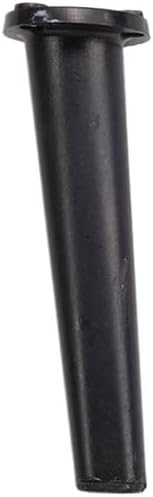 Visit on Amazon → Visit on Amazon →Landing feet, front and rear Check current Amazon price |
Spare part, compatible for Autel | Not applicable | Replacement landing gear so a cracked foot does not ground the airframe for a week |
The pattern in that table is simple. Weight decides your paperwork. The gimbal decides your footage. The battery count decides how much of your afternoon you actually spend flying.
Should you buy the DJI Avata 2 Fly More Combo?
If you already fly line of sight and you want an FPV rig for travel and content creation, yes. The three-battery combo is the entire argument, because batteries are the real cost of ownership and this one solves that problem at the point of purchase. Goggles 3 turn flying into a different activity, one that produces footage a standard camera drone cannot.
It is not the drone to learn on, and it is not cheap. But it is the kit that arrives complete: airframe, goggles, three packs, a 64GB card and a bag to carry it all. For someone who already knows they will fly every weekend, that completeness is worth more than the sticker.
Should you buy the V11PRO?
Yes, if your goal is sellable video on a mid-range budget. The 3-axis gimbal is the feature that earns its keep, the 4K/30fps mode is the one you will actually shoot, and two batteries in the box means you are not shopping for a spare on day one.
Ignore the 8K and 48 million pixel claims and mentally cut the flight time and transmission numbers down to earth. What is left is a camera drone that does the job the $700 to $1,200 category was built for, without the enterprise price tag.
Should you buy the F417PRO?
Yes, as a trainer. Under 249 grams means no FAA registration for recreational flying, and the LCD screen remote controller means no phone, no app and no account creation between you and your first flight. Brushless motors survive the crash phase better than brushed ones ever will.
The 1080P camera is a learning tool, not a production camera. Buy it to build stick skills, then move up when your thumbs stop lying to you.