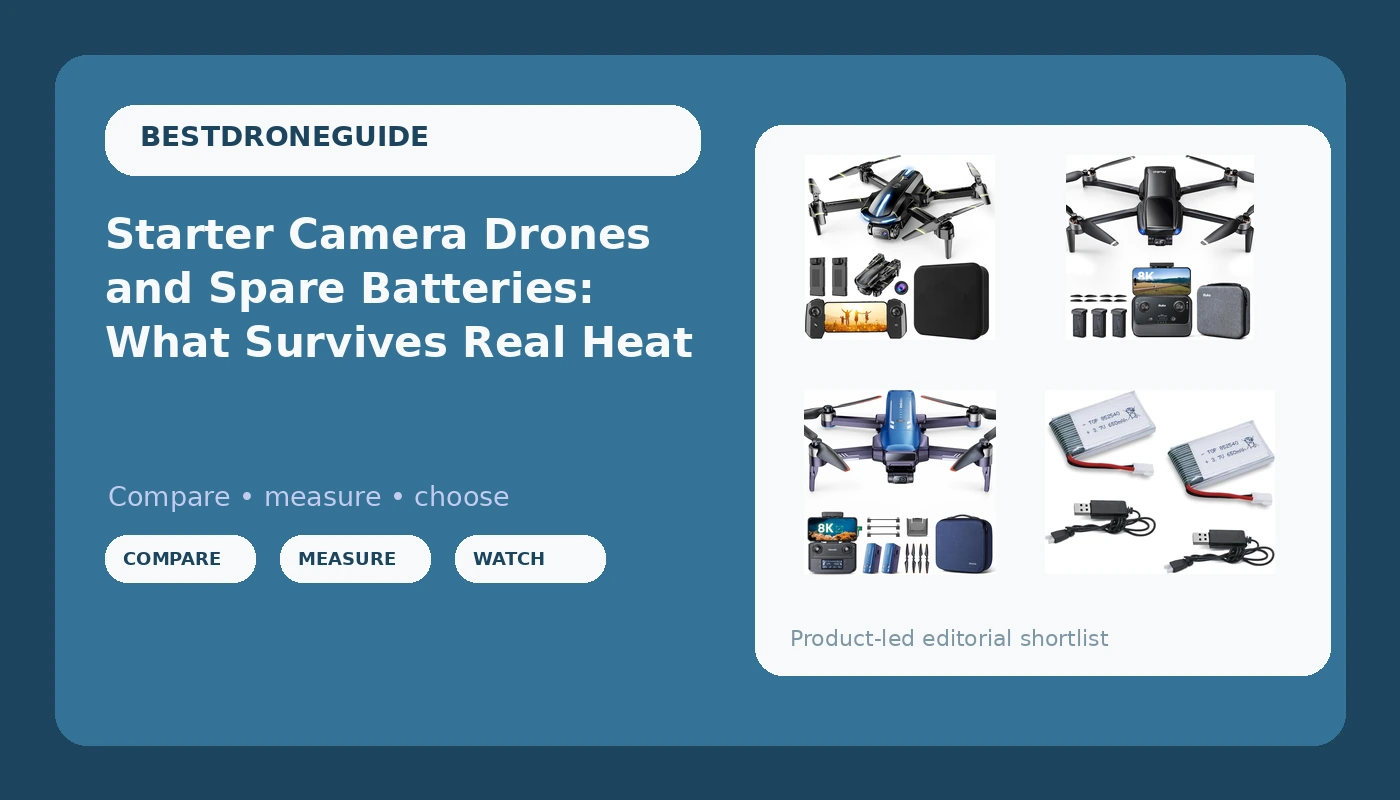
Related: Drone Battery Care in Extreme Heat
Camera drones and batteries are two halves of one purchase, and almost nobody talks about the second half until it fails. I fly commercially out of Phoenix, four or five days a week, and my logbook is mostly a record of what heat does to lithium. The machines below are beginner and budget drones. The packs below are what keep them flying. If you are shopping camera drones and batteries at the same time, you are already ahead of most people, because most people buy the drone and only then discover what a second pack costs.
Here is what I tell everyone who asks me what to buy first. Flight time is a lab number. It gets measured in a temperature-controlled room, on a fresh pack, hovering, no wind, no camera work, no aggressive stick inputs. In a Phoenix summer, cut every claim by 30 to 40 percent and you land close to reality. That one adjustment changes which drone is worth your money more than any spec sheet does.
The second thing: batteries are the real cost of this hobby. A drone is a one-time purchase. Batteries are a subscription. So when I look at a beginner kit, I count the packs in the box before I look at the camera. A drone with one battery is a drone that flies for one session and then sits on the charger while you watch it.
The beginner drone with a screen in the controller
The pitch is simple: the screen is on the controller, not on your phone. That removes the two things that ruin a first flight, which are a phone that overheats in direct sun and an app that wants you to create an account before it will talk to the drone. I have watched grown adults give up on a perfectly good aircraft because the app demanded a firmware update over a bad connection. A controller with its own display sidesteps all of it.
For a first camera drone, that matters more than resolution. You will fly more, because nothing stands between you and takeoff. The trade-off is screen size and sharing. A built-in display is small, and moving footage off the card is more of a chore than pulling it from a phone gallery. If your goal is quick clips to send to family, that is fine. If your goal is edited footage for a paying client, this is not the machine.
In this tier you are buying a trainer, not a camera platform. Fly it in an open field. Learn the sticks. Learn what wind does to a light quadcopter, and learn how fast a pack drops when you are fighting a breeze. Those lessons transfer to every drone you will ever own, including the expensive ones.
The mini that ships with two batteries
The headline says 2K, and I want you to ignore that for a second. The reason this kit belongs on the list is the two batteries. A beginner drone that ships with one pack is a drone you fly for twenty minutes and then shelve for an hour. Two packs means one charges while the other flies, and that is the difference between a toy you use twice and a hobby you keep.
The mini class is where I send almost every beginner. Light, forgiving of a soft crash, and small enough to fly in a backyard without drawing a crowd. The trade-offs are real. Small sensors, small packs, and wind sensitivity that gets worse as the airframe gets lighter. On a gusty afternoon a mini drone is a leaf with propellers, and no amount of stabilization fixes that.
Two batteries also means two charge cycles per session, so treat them as a pair. Number them. Rotate them. Keep them out of a hot car. I have lost packs to Phoenix summers, and the ones that died first were always the ones I stored at full charge in a hot garage. Charge them the night before you fly, not the week before.
The spare pack for a mid-size rig
This is the least glamorous product here and the one that changes how you fly a mid-size drone. The F33 pack is an 11.1V 3500mAh lithium battery sold as a single, with a one year warranty and US customer support. The box claims 42 minutes of extra flight time. Take that the way I take every flight time number, as a lab result. In heat, with camera work and wind, plan on meaningfully less and you will not be disappointed.
What matters more than the claim is the fit. This pack is built for the Contixo F33. It is not universal, and it will not drop into a mini drone or a toy quadcopter. Check the model number on your airframe before you order, because a battery that does not fit is a battery that lives in a drawer.
The one year warranty and the US support line are worth more than they sound. Battery failure is the most common hardware problem in this hobby. A pack that swells or stops holding voltage at month four is a pack you want covered, and a warranty with a phone number behind it beats a marketplace listing with no one home.
The two-pack that revives an older quadcopter
If you still have a SYMA X5 series quadcopter or a WLtoys V252 sitting in a closet with dead packs, this is the cheapest way back into the air. Two 650mAh 3.7V batteries and two chargers, in one box. Two chargers is the detail I care about. Most budget packs ship bare, and charging them one at a time on a single lead is the slowest part of a flying day.
Compatibility is the entire game in this class. The listing names the SYMA X5C, X5SW, X5SC, WLtoys V252, and XT Flyer, and it uses an MX2.0 connector. If your quadcopter takes a different plug, this is not your battery, no matter how close the voltage looks. Open the battery bay and look at the connector before you order.
One more thing about small 3.7V packs. They are not built for abuse. They are built to be light and cheap, which is exactly what you want in a toy-class quadcopter. Charge them on the included chargers, do not leave them plugged in overnight, and do not fly them down to zero. Treat them as consumables and you will get your money's worth.
How I judge a beginner drone and its batteries
I look at four things, in this order.
The battery count. One pack or two? This is the single best predictor of whether someone actually sticks with the hobby. Everything else is secondary.
The connection method. App, or no app? A drone that talks to a dedicated controller screen is a drone that flies when your phone is dead, hot, or out of storage.
The camera, honestly. Resolution labels are marketing. A 2K badge on a tiny sensor does not beat a clean 1080p pipeline, and no beginner drone in this tier is shooting a real estate listing. Buy the trainer, learn the craft, and rent the camera when a job actually pays.
The consumables. Props, batteries, chargers. If replacements are hard to find or priced like jewelry, the drone is a dead end. Every product on this list has a path to a replacement part.
Then there is heat, the variable no spec sheet covers. Heat is the battery killer. A pack that reads full on the ground can sag hard five minutes into a summer flight, and the low voltage cutoff will bring the drone down early and often. Fly in the morning. Let packs cool before you charge them. Never charge a hot battery, and never store them at full charge in a garage that hits 120 degrees.
That is the whole game. The drone gets the attention. The batteries decide how much you actually fly.
The reference table
| Product | Best for | Power situation | Notes |
|---|---|---|---|
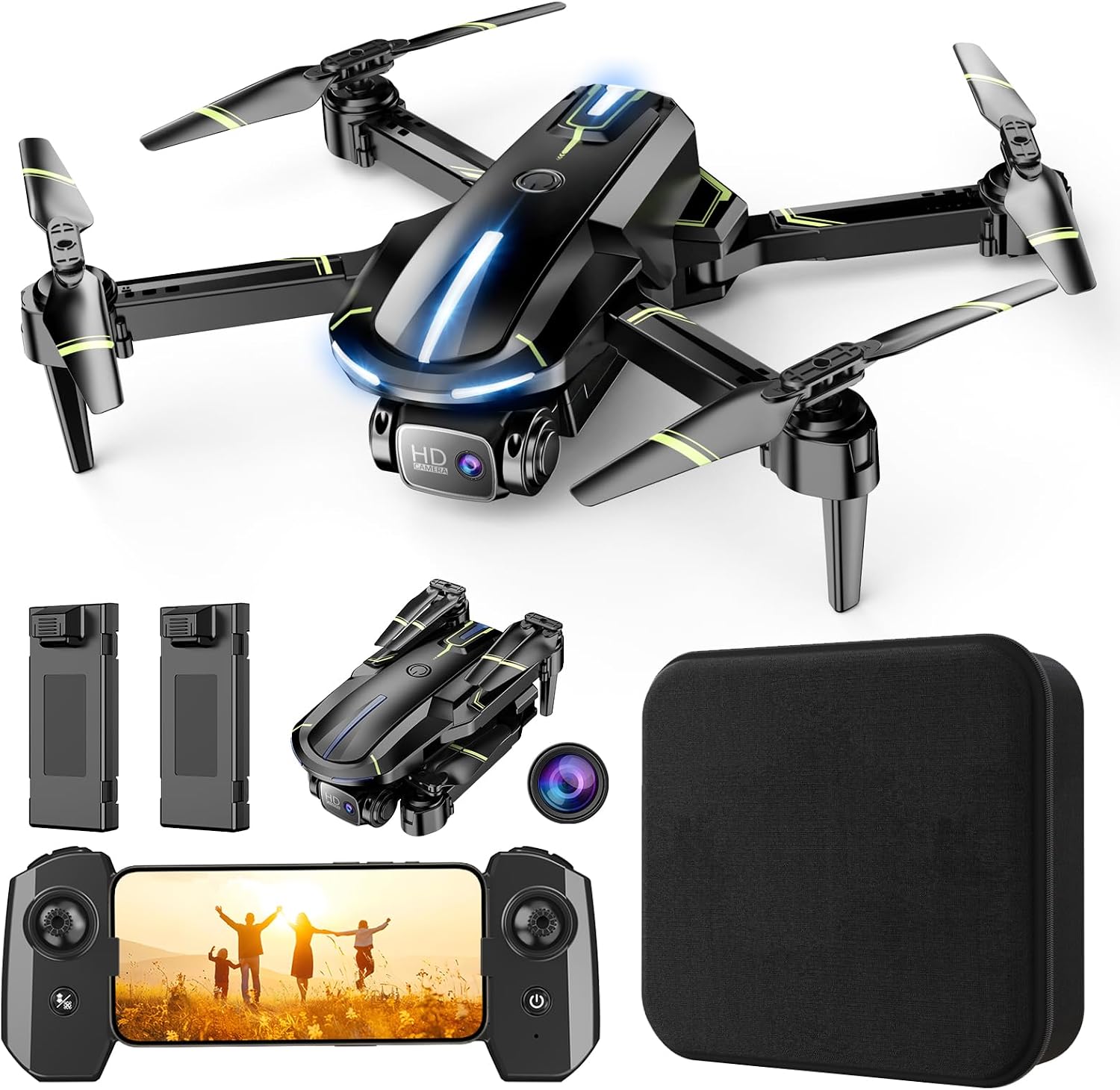 Visit on Amazon → Visit on Amazon →Drone with Camera, Screen on Controller |
First-time pilots who want to skip the phone and the app | Confirm how many packs ship in the box | Screen built into the controller, so no app account and no phone to overheat |
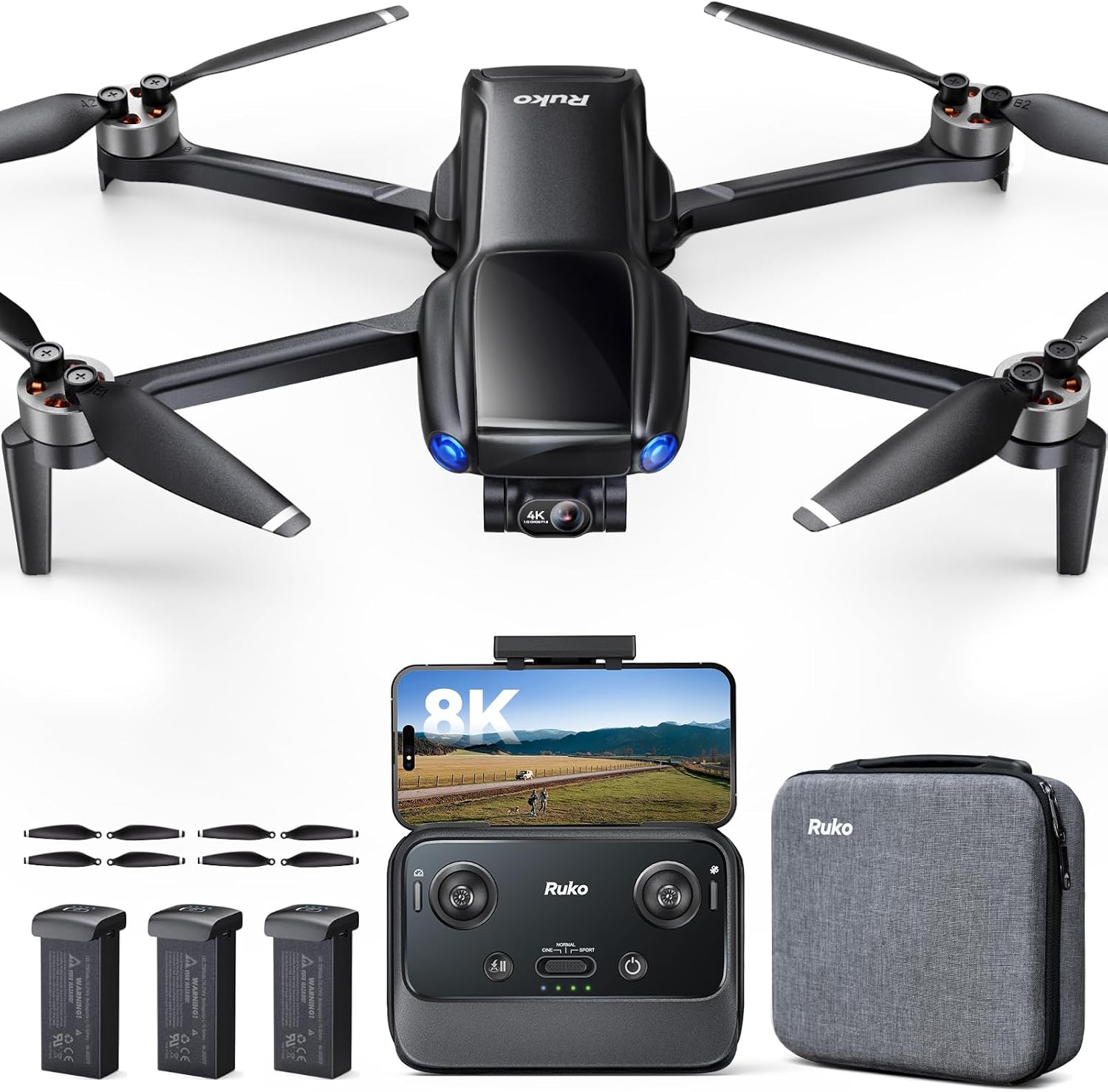 Visit on Amazon → Visit on Amazon →2K Drone with Camera for Adults & Beginners |
Beginners who want a spare pack on day one | Two batteries included | Two packs matter more than the resolution label |
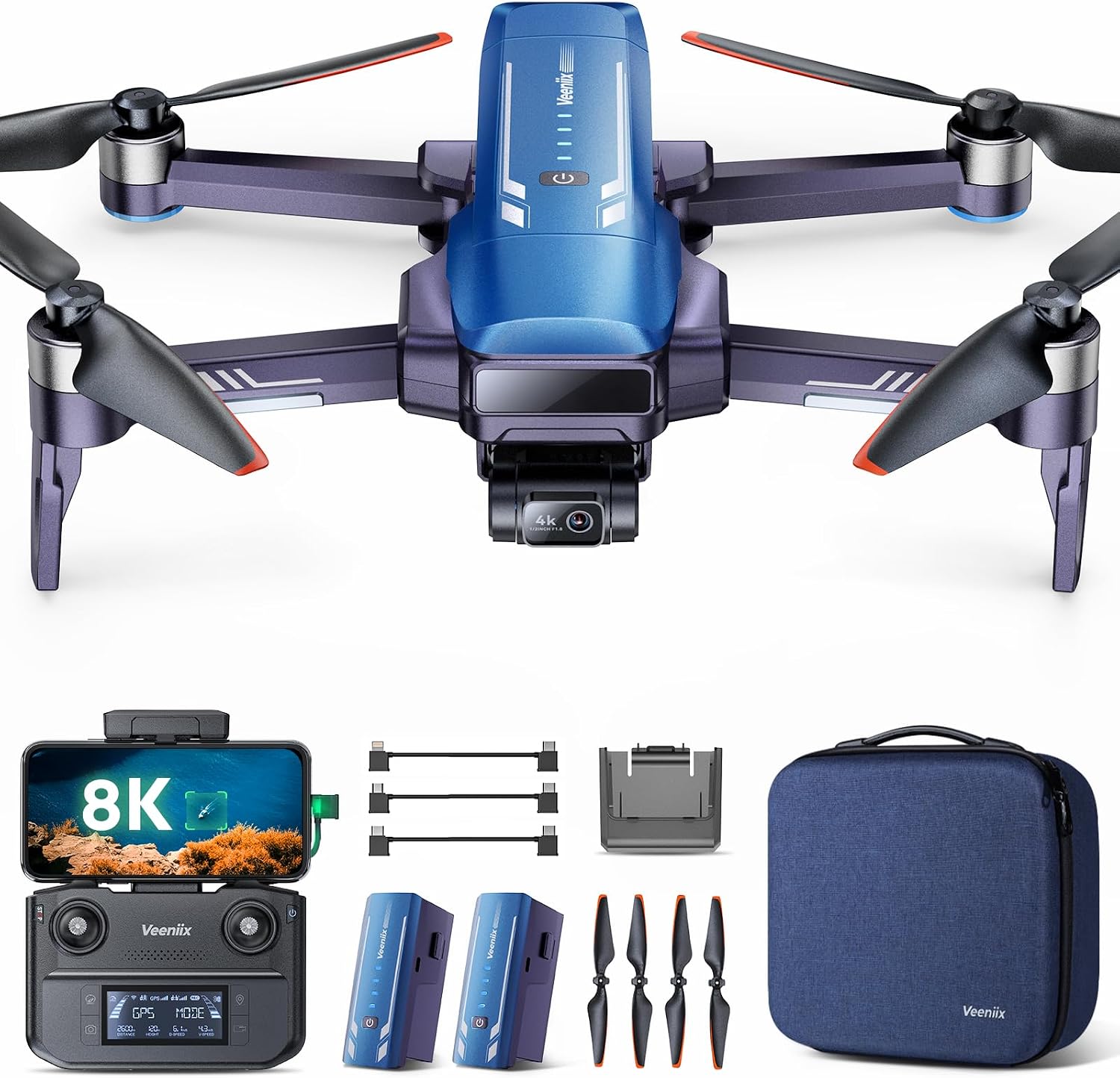 Visit on Amazon → Visit on Amazon →Contixo F33 Drone Battery |
F33 owners adding flight time | 11.1V 3500mAh, sold as a single pack | Fits the F33 only, and the 42 minute figure is a box claim |
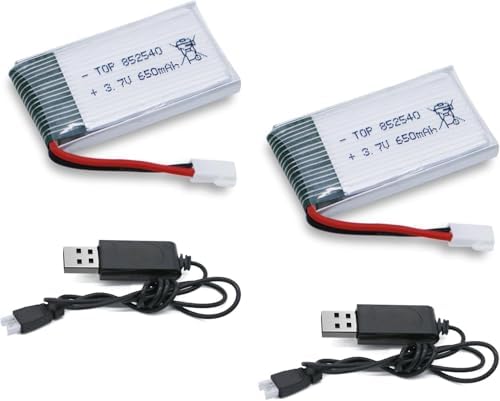 Visit on Amazon → Visit on Amazon →3.7v Drone Lipo Battery, 2 Pack |
Older SYMA X5 class quadcopters | Two 650mAh packs plus two chargers | MX2.0 connector, so verify your plug matches before ordering |
The pattern in that table is the pattern I see in every beginner's kit. The drone gets picked for the camera. The kit lives or dies on the packs. Sort your budget that way and you will fly more than the person who spent the same money on a better camera and one battery.
Should you buy the drone with the screen in the controller?
If you have never flown, yes. The controller screen means no app, no account, and no phone cooking in the sun while you try to frame a shot. You give up screen size and easy sharing, and you accept that this is a trainer rather than a camera platform. That is the right trade for a first aircraft.
Should you buy the 2K mini with two batteries?
Yes, and buy it for the batteries rather than the badge. Two packs in the box is the feature that keeps a beginner flying past the first weekend. Number them, rotate them, charge them the night before, and keep them out of a hot car.
Should you buy the Contixo F33 battery?
Only if you fly an F33. It is the right pack for that airframe and the wrong pack for everything else. The one year warranty and US support matter here, because batteries are the part of this hobby that fails first. Ignore the 42 minute claim and you will be fine.
Should you buy the 3.7V two-pack?
If you have a compatible quadcopter sitting unused, absolutely. Two packs and two chargers for less than the cost of most single replacements is the cheapest way to get an old toy-class quad back in the air. Check the connector first, because the MX2.0 plug is not universal.