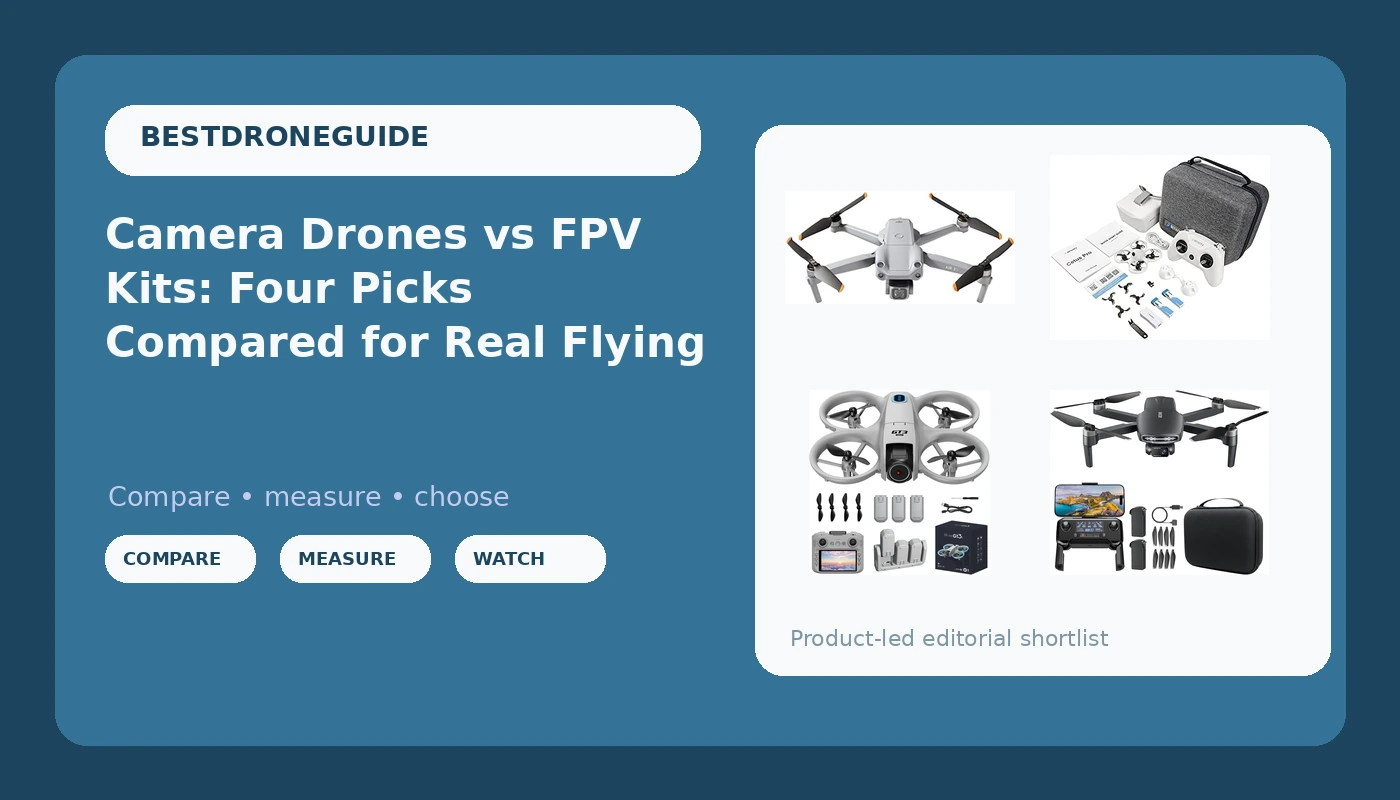
Choosing between camera drones and FPV kits is really a question about what you want out of a Saturday. One path is smooth, stable footage of a house, a canyon, or a job site. The other is a set of goggles, a transmitter in your hands, and a machine that reacts the instant you twitch. I fly camera drones for a living in Phoenix, and I watch beginners buy the wrong side of that split every month, usually because a listing used the word FPV to sell a camera quad with a screen in the remote.
This comparison puts four currently listed aircraft side by side: a 1-inch sensor DJI that is still the reference point for prosumer footage, a sub-250g GPS flyer aimed at adults who want range and auto return, a self-contained FPV starter kit with goggles and transmitter in the box, and a cheap beginner quad with a screen built into its controller. I am comparing published specs and workflow here. I am not claiming I flew all four back to back on the same afternoon, and I flag where a number is a spec sheet claim rather than something I verified in the air.
Short answer: if you want footage a client will pay for, the DJI Air 2S is the pick. If you want to learn FPV from one box with no soldering iron, the BETAFPV Cetus Pro kit is the honest entry. The other two are for a different buyer, someone who wants to fly a backyard or a park and does not need cinematic output.
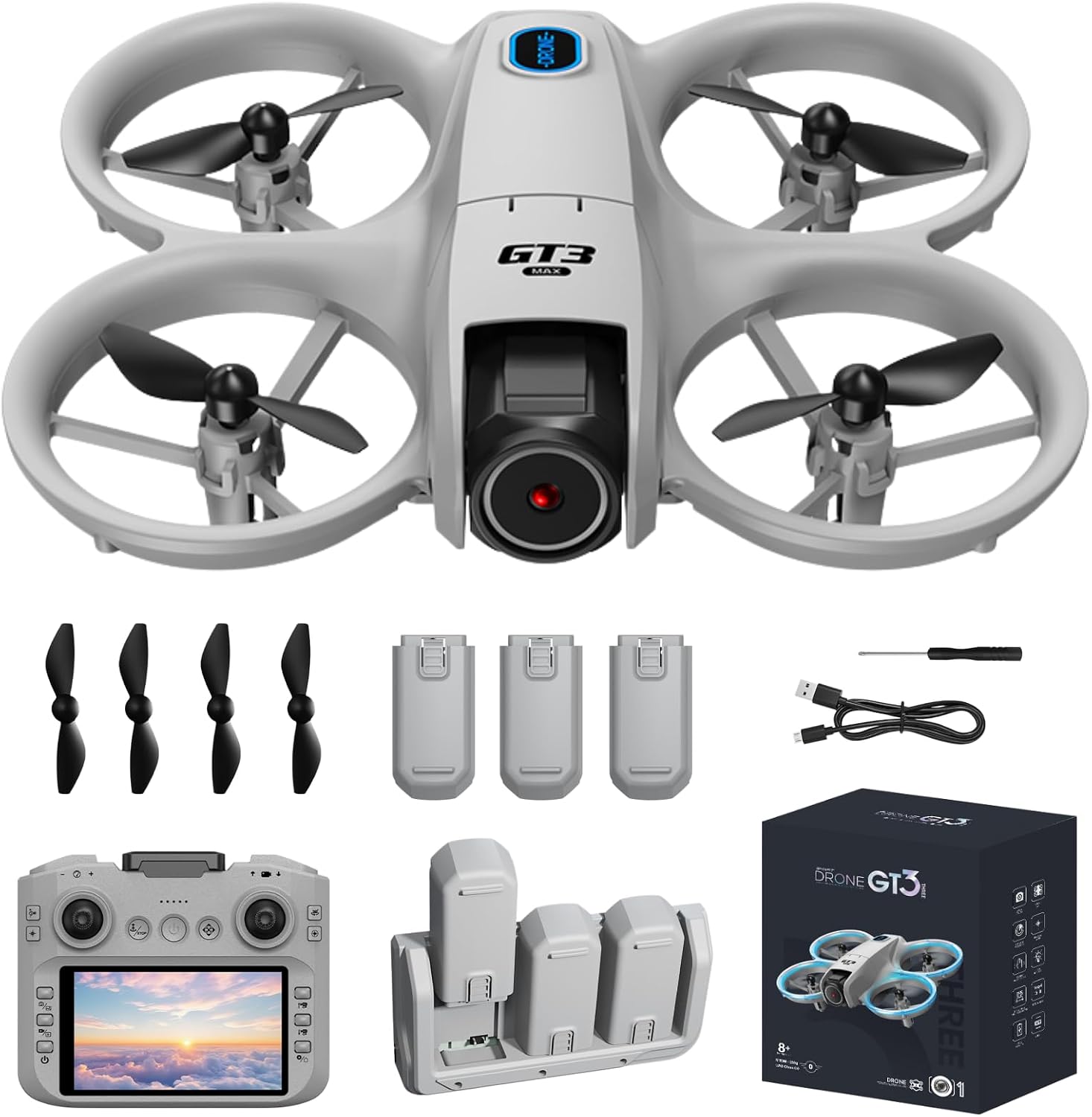
FPV Drone with HD Camera and Screen Remote Controller
Screen in the remote, optical flow positioning, obstacle avoidance listed, indoor friendly
Camera and airframe are entry level, so footage is for fun, not for clients
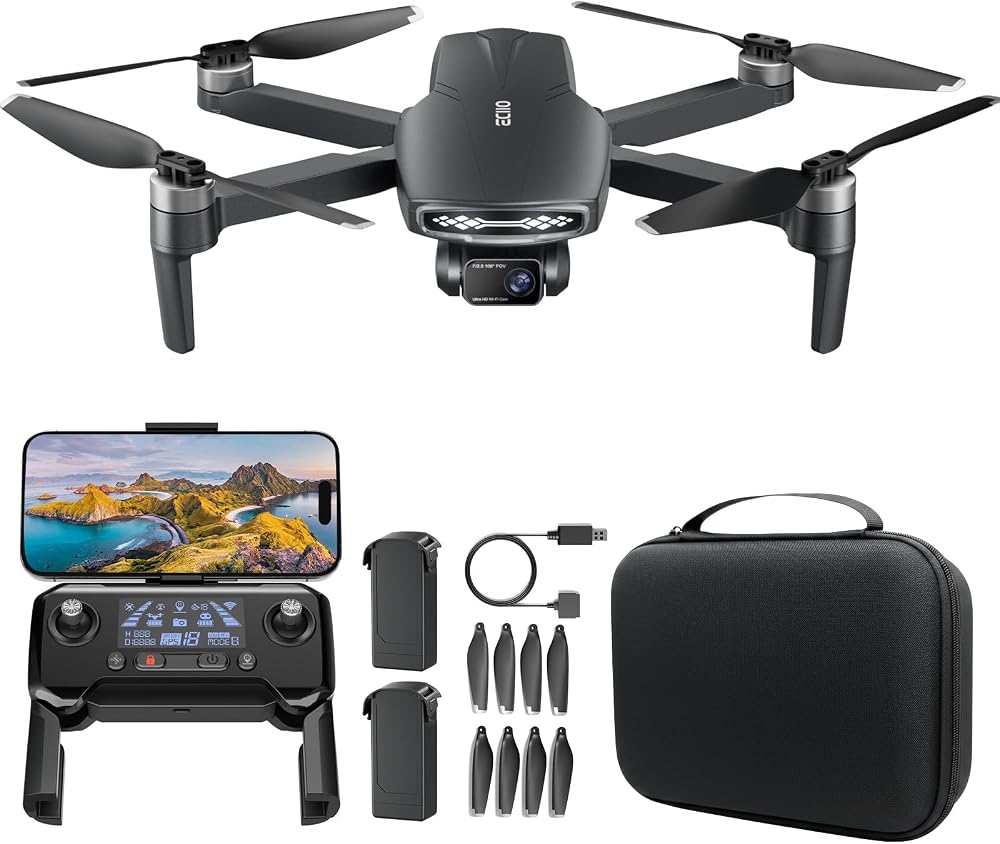
GPS Drone with 4K Camera, Under 249g
Sub-250g, GPS with auto return and follow me, brushless motors, two batteries in the box
GPS and app features on budget airframes are the first thing to disappoint
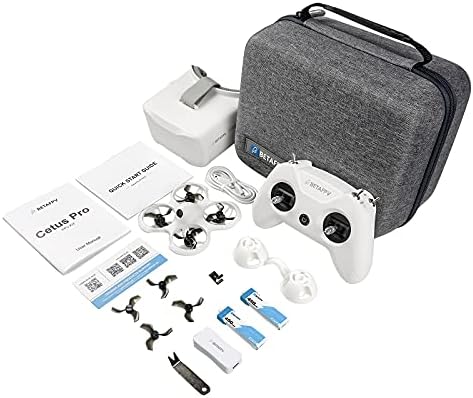
BETAFPV Cetus Pro FPV Kit
Goggles and transmitter included, one box, no phone required to fly
Analog FPV is a skill investment, not a camera platform
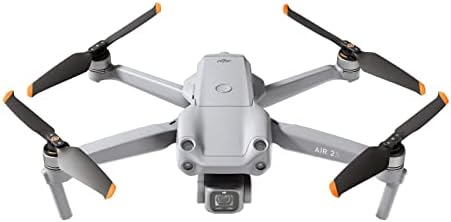
DJI Air 2S with 3-Axis Gimbal Camera
1-inch CMOS, 5.4K video, three-axis gimbal, four-direction obstacle sensing, 12km transmission
The most expensive here, and the accessory bill does not stop at the aircraft
Prices and availability were captured from Amazon Creators API and may change.
How I judge a drone in this class
Four things, in order: the camera, the flight controller behavior, the battery situation, and the app.
The camera is half the aircraft. A great airframe with a soft, over-sharpened camera is a paperweight with props. Sensor size beats megapixels, which is why the 1-inch sensor on the DJI matters more than any 4K badge on a budget quad. Flight behavior comes next, because GPS hold, optical flow, and attitude mode are three different experiences, and a drone that drifts in a five mile per hour breeze is not a camera platform. Batteries third, and count what is in the box, because a kit with two packs is worth more than a kit with one and a longer marketing page. The app last, and never underestimate it. A drone whose app wants an account, a firmware update, and a login before it will arm is a drone that will embarrass you on a shoot day.
The beginner end: a screen in the remote
This quad is sold as an FPV drone, and I want to be precise about that. The listing describes an HD camera, a screen built into the remote controller, optical flow positioning, and intelligent obstacle avoidance, and it is aimed at adults and beginners flying indoors and outdoors. What you are actually buying is a small camera quad with a live view on your controller instead of on a phone.
That is a good thing for a first drone. No phone mount, no app pairing, no Wi-Fi handshake in the middle of a park. Optical flow positioning is the part that matters indoors, where GPS is unreliable or absent. Obstacle avoidance on a machine this size is a safety net for a beginner, not a feature an experienced pilot will lean on.
The trade-off is the camera and the airframe. At this price the sensor is small, the footage is fine for sharing and for learning framing, and it is not footage you would hand to a real estate client. Know also that FPV in this listing means first person view on a screen, not the goggle and transmitter world FPV pilots mean when they say it. If your goal is acro flight, this is not that.
The sub-250g GPS option
This is the most complete spec sheet in the budget half of the table. Under 249 grams, GPS, brushless motors, optical positioning, a 4K camera with a 120 degree field of view, a claimed 5G FPV video transmission range of 1,640 feet, a control range of 2,296 feet, auto return, follow me, and two batteries in the box. The weight matters because it sits under the 250 gram line that shapes US registration rules for recreational flyers. The two batteries matter because that is the single most useful thing a budget kit can include.
Where I would be careful: GPS features on budget airframes are the first thing to disappoint. Auto return is only as good as the home point it recorded, and follow me is only as good as the position hold underneath it. Brushless motors are a genuine plus over brushed motors at this price, because brushed motors are consumable parts on cheap quads. A 4K resolution claim is not the same as image quality, and a small sensor does not compete with a 1-inch sensor no matter what the badge says. As a first serious drone that can go somewhere and come back, though, this list is the strongest of the two cheap options.
The FPV kit: goggles, transmitter, aircraft
The BETAFPV Cetus Pro kit is the one that puts the FPV hardware in the box, a LiteRadio 2 SE transmitter and VR02 FPV goggles. That combination is the whole point. With most cheap FPV drones you are looking at a phone screen, which is not FPV, it is a video feed on a rectangle you have to hold. Goggles change how flying feels and how fast you learn, because your head is in the aircraft.
What this kit is not: a camera platform. Analog FPV video is a flying experience first and a recording medium second, and nobody is cutting a wedding film from it. It is also a skill investment. FPV flying, even in a stabilized beginner mode, asks more of your hands than a GPS camera drone does. If you want to learn FPV properly and eventually move to a five inch quad, a kit like this gives you the goggles and transmitter you will keep using, which is real value. The boundary I hold here: racing and freestyle builds are a different category with a different skill path, and I do not cover racing builds.
The camera drone: still the reference
The DJI Air 2S is the odd one out in price and in purpose. A three-axis gimbal, a 1-inch CMOS sensor, 5.4K video, obstacle sensing in four directions, a claimed 31 minutes of flight time, a 12km video transmission spec, and FAA Remote ID compliance. The 1-inch sensor is the reason this is the pick for anyone doing paid work. It is the difference between footage that holds up when the light drops and footage that turns to mush the moment you push the shadows.
The 31 minute number is a lab number. Manufacturers test flight time in still air at a comfortable temperature with a fresh pack, and my rule for planning a shoot day is to assume 30 to 40 percent less than the claim. In Phoenix summer heat, packs run warm, capacity sags, and the aircraft lands itself earlier than the spec sheet promised. Build the shot list around the real number, not the marketing number. Remote ID compliance also means the aircraft broadcasts its position, which is fine for commercial work and worth knowing if you were hoping to fly anonymously.
Obstacle sensing in four directions is a safety net, not a pilot. I still fly like it does not exist, because sensors have blind spots and small branches are not what they are tuned for. A 12km transmission spec is a range number, not a legal permission slip. Line of sight is the rule.
Where each one loses
Every product here has a losing column, and the losing column is the honest part of the table.
The beginner quad with the screen remote loses on camera quality and on range expectations. It is a backyard and living room machine. Buy it to learn stick control, not to shoot a listing.
The sub-250g GPS drone loses on feature reliability. Auto return and follow me are listed features, and on a budget airframe they are the features most likely to work sometimes. Two batteries soften that risk, because you get more attempts.
The FPV kit loses on image quality and on the patience it demands. Analog video through goggles looks like 1998, and that is the point of it. If a grainy feed will frustrate you, you will hate FPV.
The DJI loses on price and on the accessory bill that follows it. It is the only one here I would hand a client's footage to, and it is also the one that needs spare props, ND filters, and extra batteries to be genuinely useful on a job. ND filters matter more than beginners expect, because a gimbal camera with a fixed shutter speed fights you in bright light.
Heat, batteries, and the app problem
Batteries are the real cost of drone ownership, and they are the part every listing page underplays. Count the packs in the box. The sub-250g option lists two, which is a meaningful advantage over a single battery kit. Heat is the killer, and it is not a brand problem. I have lost batteries to Phoenix summers. They swell, internal resistance climbs, and a pack that reports healthy in the app can drop voltage hard under load. Store packs at a partial charge, never leave them in a hot car, and do not charge a cold pack below 50 degrees Fahrenheit.
The app is the other hidden cost. A drone with a buggy app is a drone that will not fly when you need it, and the budget end of this market is where app quality falls apart first. DJI owns the market largely because the software is that good, and competitors are still shipping app experiences that feel a few years behind. Before you buy any of these, read recent reviews and look for complaints about pairing, firmware updates, and account requirements. Those complaints tell you more about daily life with a drone than any spec sheet does.
Which one I would buy
For paid aerial photography, the DJI Air 2S, and budget for extra batteries and ND filters on top of it. To learn FPV with goggles in the box, the BETAFPV Cetus Pro kit. For a first drone for a kid or an adult beginner who wants to fly in the yard and see what the camera sees on the controller, the mini quad with the screen remote. For a first GPS drone under the 250 gram line with two batteries included, the sub-250g GPS option is the most complete package in the budget half of this table.
None of these are the same product wearing different paint. They are four answers to the question of what flying is for. Pick the question first, then pick the aircraft.
What I am watching next
Mini-class cameras are moving toward 1-inch sensors, and when that lands the mid-size segment gets squeezed hard. Watch battery chemistry too, since silicon anode cells are the most likely route to genuinely longer flight times. And watch the regulation side, because the squeeze on hobbyist flying keeps pushing buyers toward sub-250g aircraft. That is the growth segment, and this table already shows it: the two cheapest drones here are the two with the smallest regulatory footprint.