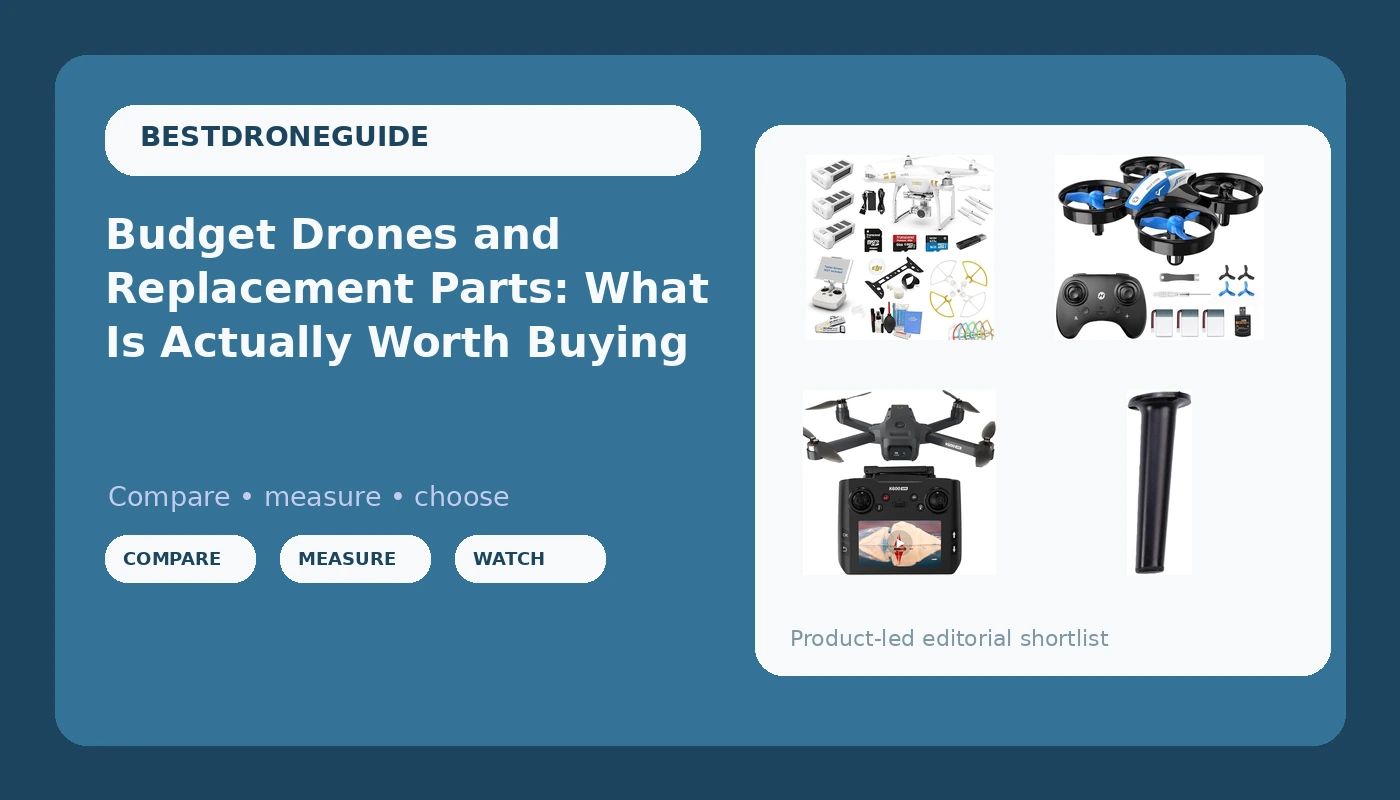
My first serious drone was a Phantom 2, and the decade since has taught me that the difference between a purchase you keep and one you resell in three months almost never shows up on the spec sheet. It shows up in the battery, the app, and whether the camera is worth carrying in the first place. So when I sat down to sort budget drones and replacement parts for this comparison, I did not start with the marketing copy. I started with what each item is actually for.
This is a strange group on purpose. It includes a modern sub-250g GPS drone with a screen built into the controller, a classic 4K kit that ships with two extra batteries, a palm-sized indoor trainer, and a single replacement landing gear leg for an Autel EVO Lite. These are not competitors in the usual sense. They are four answers to four different questions, and the table below is how I separate them before I get into the details.
The short version: if you want one aircraft that shoots usable footage without registration paperwork, the sub-250g GPS model is the pick. If you already own an Autel EVO Lite, the landing gear leg is the cheapest way to keep it in the air. The Phantom kit and the nano trainer are for two very specific buyers, and I will tell you exactly who they are.
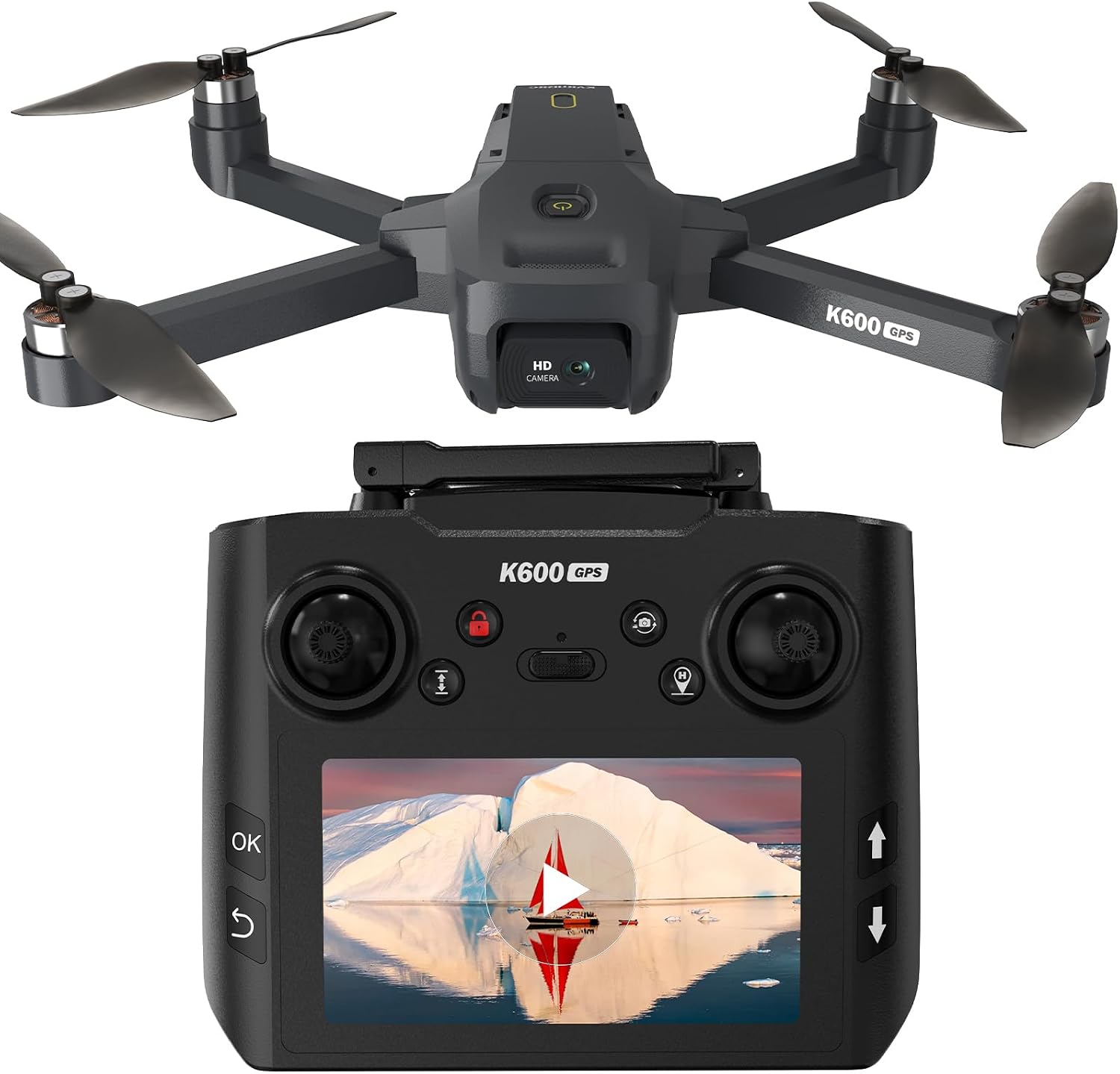
GPS Drone with EIS 1080P Camera, 4.5" FPV Screen, 5GHz Transmission Foldable Drone with Brushless Motor, Auto Return Follow Me, Gesture Control, Al Track&Orbit Mode for Adults/Kids/Beginners, Under 249g
The only flyer here with a screen in the controller, EIS stabilization, brushless motors and a sub-250g takeoff weight
1080p sensor instead of 4K, and no spare batteries in the box
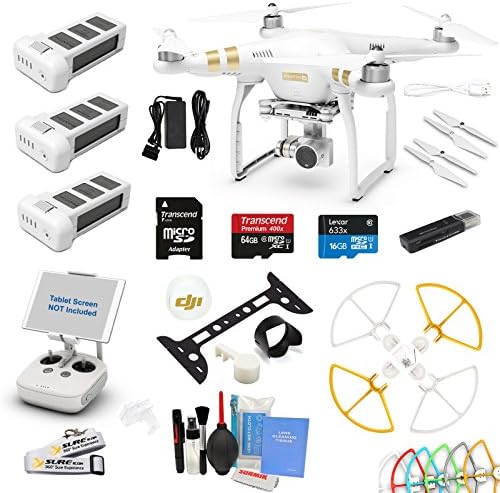
DJI Phantom 3 4K Drone Quad Copter W/ 4K Video Camera Gimbal and Ultimate KIT: 2 Extra DJI Batteries, 1x 64GB SD Card, Snap on Prop Guards, Surmik Gimbal Protector & More
A real 4K camera on a gimbal, and the kit includes two extra DJI batteries, a 64GB card, prop guards and a gimbal protector
An older generation airframe, so battery availability and parts are the long term risk
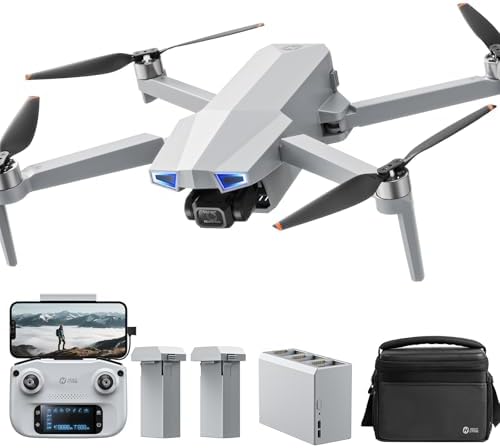
Holy Stone Mini Drone for Kids and Beginners RC Nano Quadcopter Indoor Small Helicopter Plane with Auto Hovering, 3D Flips, Headless Mode and 3 Batteries, Great Gift Toy for Boys and Girls, HS210 Blue
Three batteries included, headless mode and auto hovering make it a genuinely useful indoor trainer
No GPS, no wind capability, and a camera that is a toy camera
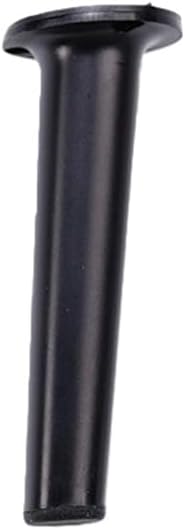
Original [Front Left] Landing Gear for Autel EVO Lite/Lite Plus Drone Replacement Stand with Rubber Arm Leg Accessories Repair Part - New
Exact replacement part for a drone that is otherwise worth repairing, rubber arm leg included
Front left only, so you have to check which leg you actually broke
Prices and availability were captured from Amazon Creators API and may change.
How I judge gear in this price range
Four things decide whether a drone stays in my truck or ends up in a drawer.
Flight time is the first, and it is the number I trust least. Every manufacturer quotes a best case figure measured in still air at room temperature. Phoenix in July is not still air at room temperature. My rule of thumb for any class of drone is to cut the claim by 30 to 40 percent and decide whether the real number still does the job. If it does not, the drone is not for you no matter how good the review sounds.
The camera is the second. Resolution is the least interesting part of a camera spec. Stabilization, sensor size and how the footage handles contrast matter far more. An electronically stabilized 1080p stream that stays smooth in a hover will beat a shaky higher resolution file every single time, because you can actually use it.
Batteries are the third, and they are the real cost of ownership. A drone with one battery is a drone that flies for one session and then sits on a charger. Extra batteries in the box are worth more than most of the features on the marketing page.
The app is the fourth. A drone with a buggy app is a drone that will not fly when you need it. I have watched a paid shoot stall because an app wanted an account login before it would push a firmware update. That is the kind of failure that never appears in a spec sheet.
The sub-250g GPS drone: the one I would actually fly
This is the pick of the group for most readers, and it wins on design decisions rather than headline specs.
The controller has a 4.5 inch FPV screen built in, which means no phone, no cable and no tethering ritual before every flight. On a real estate shoot, setup time is money. The 5GHz transmission link and the screen keep the whole experience self contained, and that matters more than people expect until they have juggled a phone in one hand and a controller in the other.
The airframe is foldable and the motors are brushless. Brushed motors are the reason cheap drones die young, so brushless at this size is the difference between a toy and a tool. Auto return, follow me, gesture control and the orbit and track modes are the usual GPS feature set, and they are genuinely useful once you trust the return to home behavior. I still fly every GPS drone as if the return button might not work, and I suggest you do the same.
The weight is the quiet headline. Staying under 249 grams puts this in the class that recreational flyers in the United States can operate without registration, and it also means less kinetic energy if something goes wrong. That is the growth segment of the hobby for a reason.
What it loses: the camera tops out at 1080p with electronic stabilization, which crops your frame and softens fine detail compared with a true 4K sensor. The listing also makes no promise of obstacle avoidance, so treat it as a drone with no safety net. And there are no spare batteries in the box, which is the one thing I would fix on day one.
The Phantom 3 4K kit: an older airframe with a real camera
Here is the honest case for this one. It ships with a 4K camera on a gimbal, two extra DJI batteries, a 64GB card, snap on prop guards and a gimbal protector. That is a complete kit, not a drone with an accessory list bolted on to raise the price. Two extra batteries alone change how you use an aircraft, because you stop rationing flight time.
The 4K camera on a stabilized gimbal is a different class of imaging than the 1080p EIS drone above, and the prop guards and gimbal protector tell you this kit was assembled by someone who has actually crashed a drone. For a beginner who wants to learn on a bigger airframe and does not mind carrying more weight, the value math is real.
What it loses: this is an older generation aircraft, and that changes the ownership experience. Battery availability and part supply are the long term risks, and old battery packs are exactly the failure point I worry about most. Heat kills lithium packs, and a pack that has been sitting in a hot garage for years can look fine and then swell at 80 percent health. If you buy into an older platform, budget for batteries and treat every pack as suspect until it proves itself. This is also not a sub-250g machine and was never meant to be, so plan accordingly.
The Holy Stone HS210: the indoor trainer that earns its place
I do not recommend nano drones for aerial photography. I do recommend them for stick time, and that is exactly what this is.
Three batteries in the box is the reason it made this table. Headless mode removes the orientation problem that eats a beginner's first week, auto hovering holds altitude so you can think about direction instead of throttle, and 3D flips are the reward for getting the basics right. It is indoor sized, it is aimed at kids and beginners, and it is the cheapest way to find out whether you actually enjoy flying before you spend real money.
What it loses: no GPS, so no return to home, no position hold in wind, and no flying outdoors on a breezy afternoon. The camera is a toy camera and should be treated as one. If your goal is real estate footage, this is a stepping stone, not the destination. If your goal is a gift that teaches a kid how a quadcopter moves, it is close to ideal.
The Autel EVO Lite landing gear leg: the cheapest repair in this article
This one is not a drone. It is a front left replacement landing gear with a rubber arm leg for the Autel EVO Lite and Lite Plus, and it belongs in this comparison because landing gear is the first thing to break and the last thing people think to replace.
A hard landing cracks a leg, and a cracked leg turns a perfectly good aircraft into a shelf decoration. The alternative is buying a whole new drone or paying a repair shop more in labor than the part costs. Keep the model in mind: this is for the EVO Lite and Lite Plus specifically, and it is the front left position only. Check which leg you actually damaged before you order, and check it twice, because returning a $12 part costs more in time than the part is worth.
If you fly an EVO Lite for commercial work, having one of these in the case is cheap insurance against a grounded shoot day.
The trade-offs that decide it
Batteries separate these four faster than any feature. The Phantom kit includes two extra DJI packs. The HS210 includes three. The GPS drone includes none, which is the single biggest practical gap in the group and the first thing I would spend money on after the drone itself.
Camera class separates them next. The Phantom kit is the only true 4K gimbal camera here. The GPS drone is stabilized 1080p with a screen in the controller. The HS210 is a toy camera. Pick the row that matches what you are shooting, not the row with the biggest number.
Portability and regulation separate them last. The sub-250g flyer folds, travels, and skips registration for recreational use. The Phantom kit does not. The nano trainer never leaves the living room.
Who should buy which
Buy the sub-250g GPS drone if you want one aircraft for travel, casual client work and learning GPS flight modes without paperwork. Add spare batteries immediately.
Buy the Phantom 3 4K kit if you want a 4K gimbal camera, a complete accessory package and extra batteries at a used platform price, and you accept the battery and parts risk that comes with an older airframe.
Buy the Holy Stone HS210 if you are shopping for a kid, a gift, or your own first ten hours of stick time indoors.
Buy the Autel landing gear leg if you already own an EVO Lite or Lite Plus and one hard landing has grounded it.
That is the whole decision. The drone you will actually fly beats the drone with the better spec sheet, and the part that keeps a good aircraft flying beats a new purchase every time.