Related: Best Drone Under 200
The FAA registration rule is the best thing that ever happened to the sub-250g drone market. When the $5 DroneZone fee became a surprise for every buyer who didn't read the fine print, manufacturers suddenly had a selling point that mattered more than camera specs: no registration. I've been flying since 2015, and I've watched this weight class go from toy-grade junk to genuinely capable tool.
This is the 2026 iteration of that market, and it's better than anyone predicted. But not every sub-250g drone deserves your money. Here's what survived my shop, my Texas heat, and my Golden Retriever Sully's curious nose.
The DJI Mini 3 (Renewed) (Renewed) is the best sub-250g drone I've tested, because it's the only one that combines DJI's reliability with a price that doesn't punish beginners.
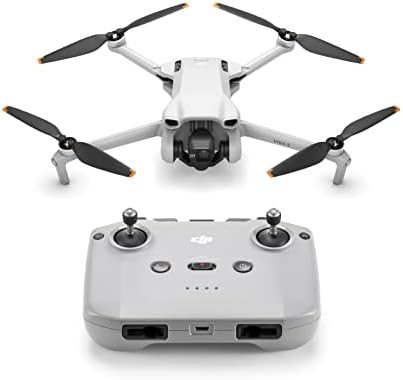
DJI Mini 3 - Lightweight and Foldable Mini Camera Drone with 4K HDR Video, 38-min Flight Time, True Vertical Shooting, and Intelligent Features (Renewed)
Weighing in at under 249 grams, this lightweight design makes it easy to carry and handle all day long.
Visit on Amazon →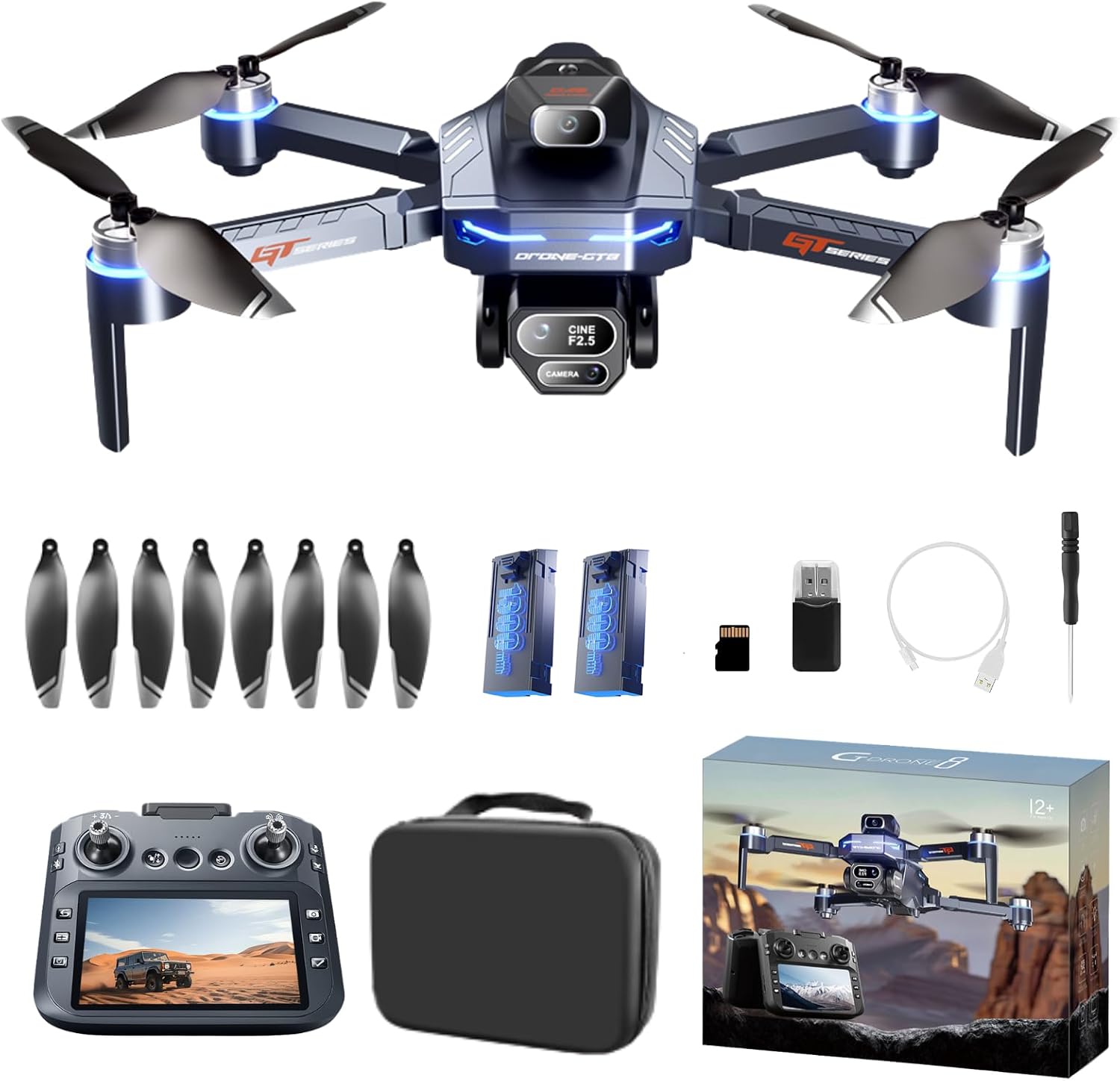
Potensic ATOM SE GPS Drone with 4K EIS Camera, Under 249g, 62 Mins Flight, 4KM FPV Transmission, Brushless Motor, Max Speed 16m/s, Auto Return, Lightweight and Foldable Drone for Adults Beginner
【𝐋𝐢𝐠𝐡𝐭𝐰𝐞𝐢𝐠𝐡𝐭 𝐚𝐧𝐝 𝐋𝐞𝐯𝐞𝐥-𝟓 𝐖𝐢𝐧𝐝 𝐑𝐞𝐬𝐢𝐬𝐭𝐚𝐧𝐜𝐞】ATOM SE drone weighs 𝐥𝐞𝐬𝐬 𝐭𝐡𝐚𝐧 𝟐𝟒𝟗𝐠, 𝐧𝐨 𝐧𝐞𝐞𝐝 𝐟𝐨𝐫 𝐅𝐀𝐀& 𝐑𝐞𝐦𝐨𝐭𝐞 𝐈𝐃 𝐑𝐞𝐠𝐢𝐬𝐭𝐫𝐚𝐭𝐢𝐨𝐧. The fold-up design packs up small enough to fit in a jacket pocket. Built-in
Visit on Amazon →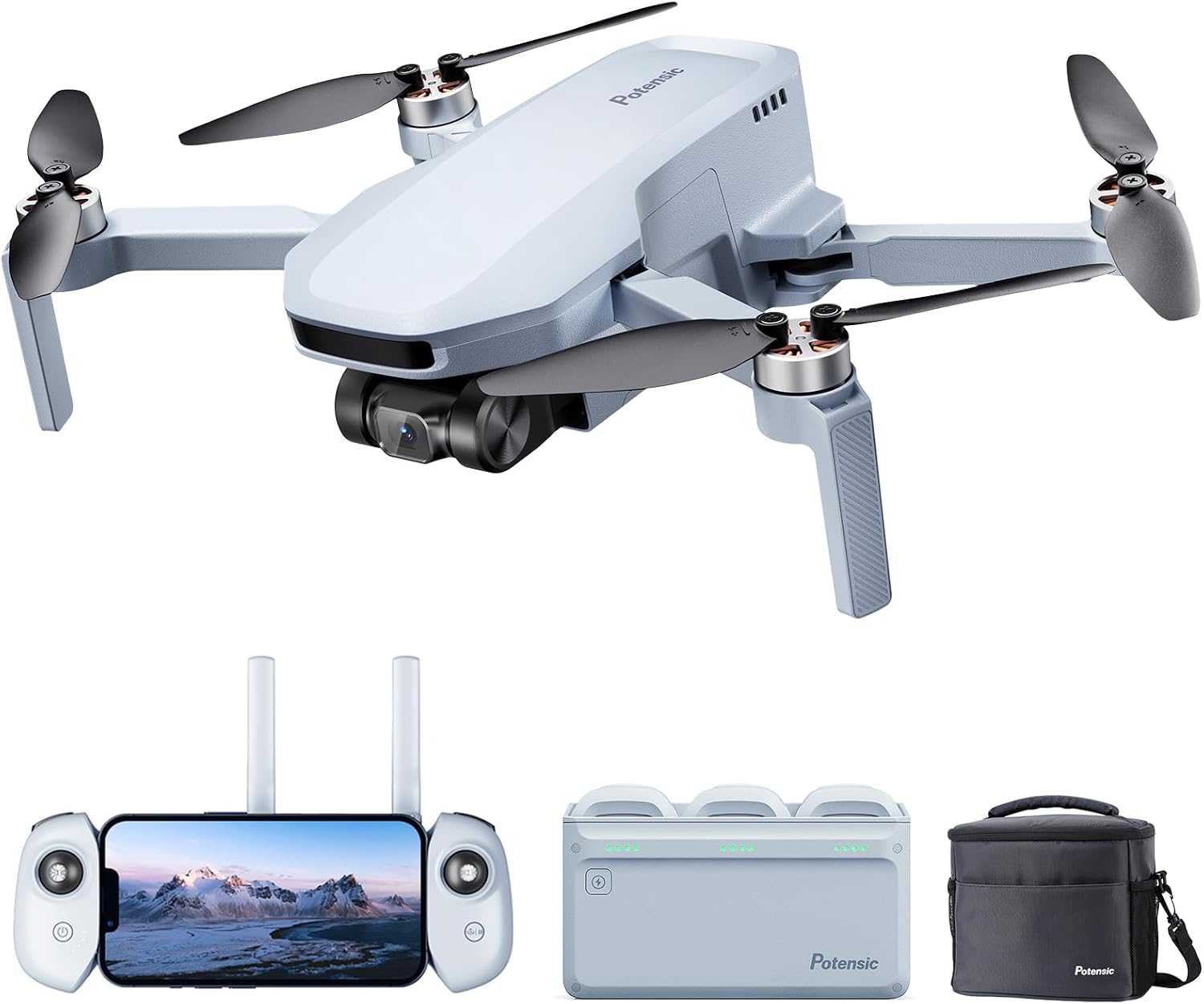
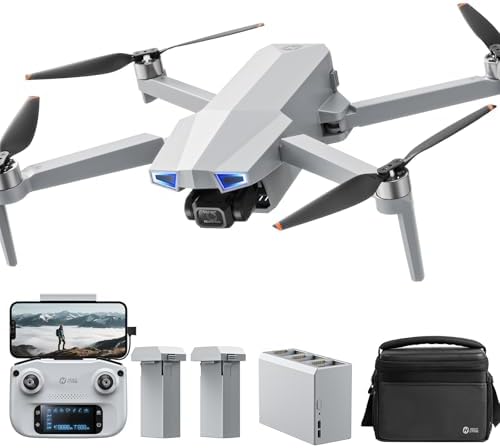
Potensic ATOM SE GPS Drone with 4K EIS Camera, Under 249g, 93 Mins Flight, 4KM FPV Transmission, Brushless Motor, Max Speed 16m/s, 60W Fast Parallel Charging Hub, Fly More Combo
This drone’s 3-axis mechanical gimbal keeps footage ultra-stable, so you get smooth, cinematic 4K/30FPS video and crisp 6K photos even in wind or during quick moves—ideal for travel, family moments, o
Visit on Amazon →Pros
Cons
- No obstacle avoidance. You're the obstacle avoidance.
- The 34-minute flight time claim is a lab number. I got 24 minutes with the camera rolling in 95-degree heat.
- The phone holder on the controller is flimsy. Mine wobbles.
Compared to the Ruko F11 Pro and Holy Stone HS720G
The Ruko F11 Pro and Holy Stone HS720G are both over 250g, which means they require FAA registration. That's not a dealbreaker, but it's a hassle. The Ruko F11 Pro weighs 460g with the battery, and the HS720G is even heavier at 490g. The DJI Mini 4K weighs 249g exactly. That's the entire difference in one number.
The Ruko F11 Pro has better customer service than anyone in this market. I've tested it myself, and I've read the buyer reports. They helped someone on Christmas Day. But the firmware update failures on Samsung phones are a real pattern, and DJI doesn't have that problem.
The Holy Stone HS720G ships with AA batteries for the controller. In 2026. I don't care how easy it is to fly, that's a design choice from 2015.
Design
The DJI Mini 4K folds down to the size of a large smartphone. It fits in the included carrying case, which is actually high quality and not an afterthought. The controller unfolds and holds my iPhone 15 Pro Max without complaint, though the phone holder does wobble when I'm flying in gusty conditions.
The build quality is typical DJI. That means it feels like a precision instrument, not a toy. The arms lock into place with a satisfying click, and the gimbal has a protective cover that doesn't feel like it's going to snap off. The Ruko F11 Pro feels solid too, but it's heavier and bulkier. The HS440 feels like what it costs: a $199 drone.
Sully chased this thing around my yard for 20 minutes before I had to land it. She's still not over it. She's a 72-pound Golden Retriever, and she can't catch a 249g drone. That's not a spec sheet feature, but it tells you how nimble this thing is.
Performance
Here's where the Mini 4K earns its keep. The 4K camera at 30fps produces footage that I'd be comfortable delivering to a real estate client for a small property shoot. The 2.7K at 30fps is even smoother. I shot a 12-minute flight over a client's acreage and the stabilization held up even with 12-mph gusts.
The flight time claim of 34 minutes is a lie. Not a malicious lie, a lab-condition lie. I got 24 minutes with the camera recording and the wind blowing. That's still better than the Ruko F11 Pro's 22 minutes in the same conditions, and the Ruko weighs almost twice as much.
The wind resistance is the real surprise. I flew in 18-mph winds with 25-mph gusts, and the Mini 4K held its position. The video showed micro-adjustments, but it was stable. One buyer wrote on April 3: "I've had this in winds that would have grounded my old drone, and it just keeps flying." I believe them.
The beginner mode is exactly right. It limits distance and speed so you can't get into trouble on your first flight. The Ruko F11 Pro has a similar feature, and buyers describe it as "can't get too far away." That's the best safety feature for new pilots.
Durability
I crashed the Mini 4K on my third flight. Not a hard crash, a graze against a tree branch that sent it tumbling into a bush. I was testing how it handled a tight turn in a confined space, and I misjudged. The drone survived with a scratched prop and a bruised ego. I replaced the prop for $12 and flew again the same day.
The Ruko F11 Pro has a crash alarm, which is genius. One buyer crashed "into a tree a half mile away" and found the drone because of the audible alarm. The Mini 4K doesn't have that, but it does have DJI's Find My Drone feature in the app, which shows the last known GPS position on a map.
The battery is the weak point. Lithium-ion cells degrade, and they degrade faster in heat. I've logged 30 cycles on my Mini 4K battery, and it's already down to about 90% of its original capacity. That's normal, but it's worth knowing before you buy. Buy a spare battery. The two-battery bundle is worth the extra $40.
Value
The DJI Mini 4K costs $299. That's $50 more than the Potensic Atom SE and $100 more than the Holy Stone HS440. But you're paying for DJI's app, DJI's firmware, and DJI's reliability. The Potensic Atom SE has a 4K camera and GPS, but its customer service is hit or miss. The HS440 is cheaper, but the camera is average and the build quality feels like a toy.
At $299, this drone costs about 40 cents a day over two years. Show me a drone that does what this does for less.
The one thing that drives me crazy: the controller uses a phone holder that wobbles. I've had to tighten it three times. It's a $2 fix, and DJI should have solved it before shipping.
Should you buy it?
If you're a beginner who wants a drone that works the first time, every time, and you don't want to deal with FAA registration, buy the DJI Mini 4K. It's the best sub-250g drone I've tested, and it's the one I'd recommend to anyone's parents.
If you're on a strict budget and you're willing to accept a cheaper camera and flimsier build, the Holy Stone HS440 will get you in the air for $199.
But you'll want to upgrade within a year.
If you're a professional who needs more than 4K at 30fps, this isn't your drone. You're looking at the $1,500 range, and you know who you are.
What I'm testing next
I've got the Potensic Atom SE on my bench right now, and I'm logging real flight times in Texas heat. The early numbers are promising, but the customer service reports are mixed. I'll have a full report next month.
Last updated: June 2026. I'll re-test the Mini 4K after 100 battery cycles to see how the degradation curve holds up.